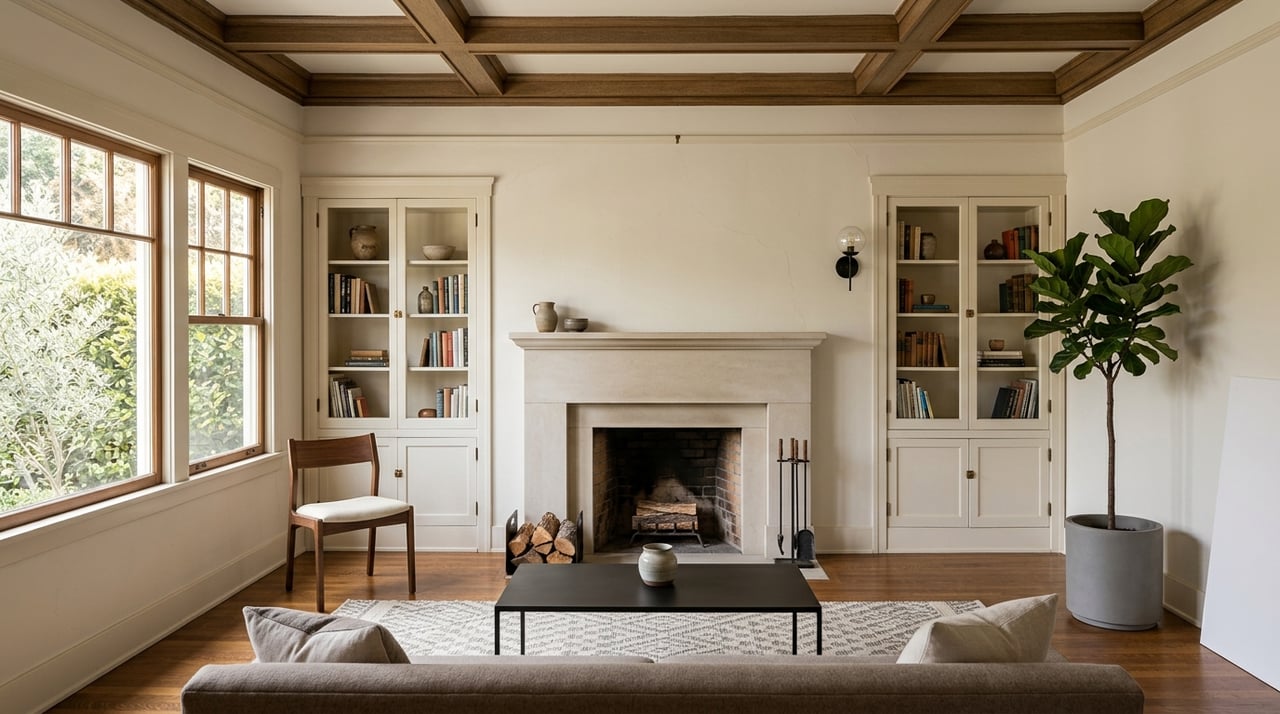
Are you getting ready to sell a historic Alameda home and wondering how much to modernize, what to leave alone, and how to make the home stand out to today’s buyer? You are not alone. Many Alameda sellers have lived in their homes for years, and it can be hard to see which details feel charming, which feel distracting, and which updates may create more risk than value. The good news is that staging a historic home is usually not about making it generic. It is about helping buyers understand its character, scale, and livability the moment they walk in. Let’s dive in.
Why historic character matters in Alameda
Alameda is not a place where historic homes feel rare or incidental. The city says there are more than 10,000 buildings constructed before 1930, and its preservation program has been in place since 1975. Historic character is part of the city’s identity, which means buyers often expect to see original architectural details rather than a fully stripped-down remodel.
That matters when you prepare your home for market. Alameda evaluates historic resources based on architectural significance, historical significance, environmental significance, and design integrity. In practical terms, your staging should help buyers notice period details quickly and clearly instead of covering them up with heavy furniture, busy décor, or unnecessary updates.
Start with editing, not remodeling
Before you think about new finishes or major improvements, start with the basics. Staging data shows that the most common seller prep recommendations are decluttering, deep cleaning, and removing pets during showings. Those steps matter in any market, but they are especially important in an older home where original trim, windows, built-ins, and room shapes deserve visual breathing room.
If you have lived in the home for a long time, this step can feel bigger than expected. Alameda has a relatively stable homeowner base, with many residents staying in the same home year to year. That often means sellers need a thoughtful plan to separate daily living from market presentation.
Focus on making each room feel lighter, simpler, and easier to read. When visual noise goes down, buyers can pay attention to what makes the house special.
Stage the architecture, not just the furniture
Historic homes in Alameda often have details that newer homes do not, such as original windows, millwork, doors, built-ins, and defined room layouts. Good staging should support those features. It should not compete with them.
That means choosing furniture that fits the room scale and preserves circulation. If a living room has beautiful trim, a fireplace, or built-in cabinetry, keep those lines visible. If a front porch or entry has strong curb appeal, make sure the staging helps buyers connect that first impression to the interior style.
A useful goal is simple: help the home feel clean, luminous, and move-in ready while still reading as an early-20th-century Alameda property. Buyers do not need the home to lose its identity. They need to understand how that identity fits modern living.
Prioritize the rooms buyers notice most
Not every room carries the same weight during the selling process. According to the 2025 Profile of Home Staging, buyers’ agents said the rooms buyers most wanted staged were the living room, primary bedroom, and kitchen. If you are deciding where to focus time and budget, start there.
Living room
The living room often carries the emotional center of a historic home. It is where buyers start to imagine how the home lives day to day. Keep seating proportional, avoid blocking windows or built-ins, and create a layout that highlights both function and architectural detail.
Primary bedroom
The primary bedroom should feel calm, spacious, and easy to use. Historic homes sometimes have smaller or more uniquely shaped bedrooms, so staging should show clear pathways and keep the furniture plan simple. Crisp bedding, limited accessories, and thoughtful lighting can go a long way.
Kitchen
In a historic home, the kitchen often raises the biggest questions for buyers. Staging can help shift the focus from age to usability. Clear the counters, remove visual clutter, and use a restrained styling plan so buyers can take in storage, light, and workflow.
Be careful with pre-listing updates
Sellers often ask whether they should replace older elements before going to market. In Alameda, that question deserves extra care.
The city’s window guidelines are clear that windows help define a building’s style and period, and retaining original windows is one of the best ways to preserve charm, character, and resale value. The city also states that significant window changes may require design review, including major changes in size, location, or style.
That means a rushed window replacement project before listing may not be the smartest move. If your current windows are part of the home’s original character, preserving and presenting them well may support both compliance and buyer appeal.
Know when approvals may be required
Exterior work on older Alameda homes can trigger additional review. The city says a Certificate of Approval can be required for alterations to a Historic Monument, changes to a contributing structure in a historic district, and some demolition or remodeling scenarios for structures built before 1942.
The safest planning approach is to verify whether your property has a designation before starting work that could affect the exterior profile, original openings, or other character-defining features. If you are selling within the next 6 to 18 months, reversible updates and presentation-focused improvements are often the most practical path.
Use staging to solve common buyer questions
Today’s buyers often form opinions long before they visit in person. The 2025 staging report found that many buyers already have ideas about where they want to live and what their ideal home looks like before they begin the process. It also found that buyers may expect polished presentation and can feel disappointed when a home looks different in person.
That is why staging should answer buyer questions early and clearly. Can they picture everyday living here? Do the rooms feel functional? Does the home’s historic character feel intentional and well cared for? Strong staging helps you answer yes without overexplaining.
Photography matters as much as the staging itself
A beautifully staged historic home still needs the right visual presentation online. Buyers’ agents reported that photos were especially important to their clients, along with traditional staging, video, and virtual tours. Since many buyers narrow their list online first, your marketing materials need to show the home accurately and attractively.
For a historic Alameda listing, that usually means highlighting:
- The front façade and porch
- The entry sequence
- Main living spaces
- The kitchen
- The primary bedroom
- Original details that define the home’s style
Lighting, scale, and composition matter. Buyers should be able to understand the home’s flow and character before they ever step through the front door.
A smart staging plan for Alameda sellers
If you want a practical framework, keep your pre-listing plan focused on presentation, clarity, and preservation.
What to do first
- Declutter every room
- Deep clean the entire home
- Remove pet items for showings
- Edit furniture to improve flow
- Highlight original architectural details
- Use restrained, neutral styling
What to review carefully
- Window replacement plans
- Exterior alterations
- Changes to original openings or visible features
- Work on homes that may be designated or located in a historic district
What the final result should feel like
- Bright
- Orderly
- Spacious
- Accurate to the home’s period
- Ready for modern living
Why this balance works
The strongest presentation for a historic Alameda home is usually a balanced one. You want the home to feel polished and current, but not stripped of the features that make it distinctive. You also want to avoid pre-sale projects that may require review or undercut character that buyers value.
When staging is done well, it reduces distraction and increases buyer confidence. It helps buyers see how the home lives today while respecting what makes it an Alameda home in the first place.
If you are preparing to sell a historic property in Alameda, the right strategy can protect character, simplify decisions, and elevate your launch. The Anthony Riggins Team can help you create a thoughtful pre-market plan with staging, photography, and project coordination designed to present your home at its best.
FAQs
How should you stage a historic Alameda home for modern buyers?
- Focus on decluttering, deep cleaning, simple furniture layouts, and highlighting original architectural details so buyers can see both character and function.
Can you replace original windows in a historic Alameda home before listing?
- Alameda says windows define a building’s style and period, and significant changes in size, location, or style may require design review.
Do exterior changes to older Alameda homes need city approval?
- In some cases, yes. Alameda says a Certificate of Approval can be required for certain alterations involving Historic Monuments, contributing structures in historic districts, and some older buildings built before 1942.
Which rooms matter most when staging a historic Alameda house for sale?
- Buyers’ agents said the living room, primary bedroom, and kitchen were the rooms buyers most wanted staged.
Why is professional photography important for historic Alameda listings?
- Buyers often judge homes online first, and staging research shows that photos, video, and virtual tours play a major role in helping them evaluate a property before visiting in person.