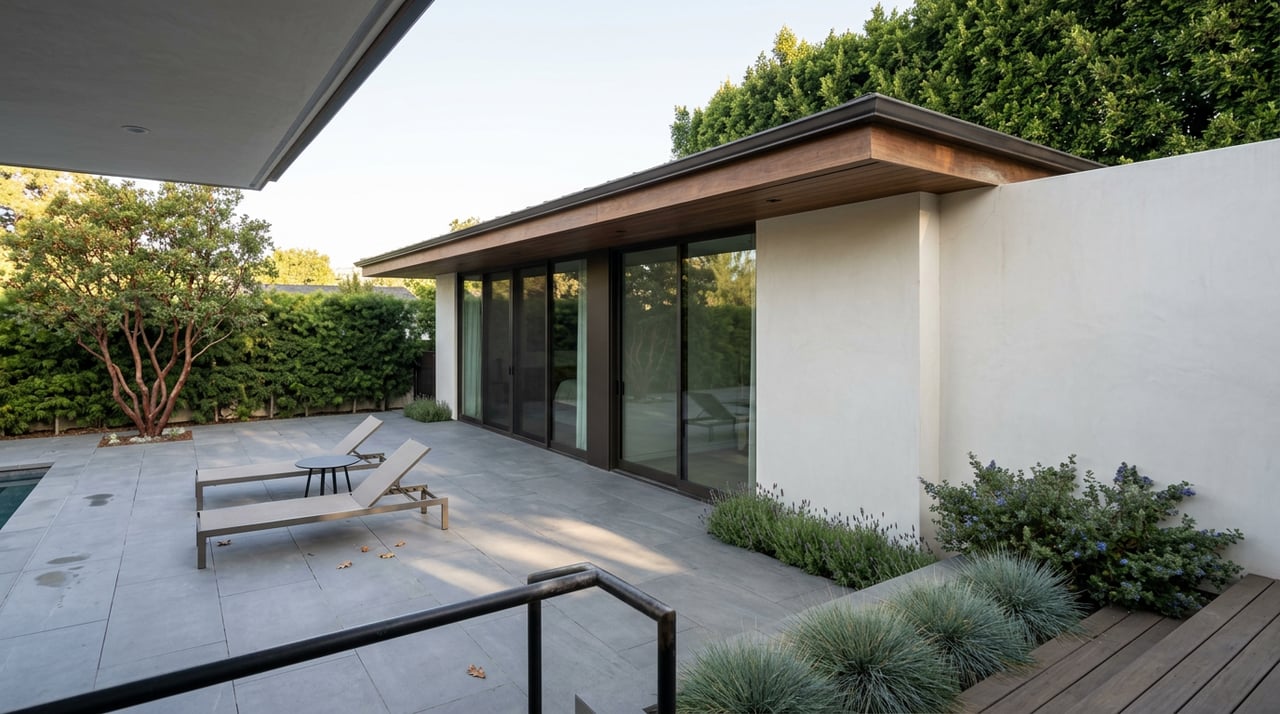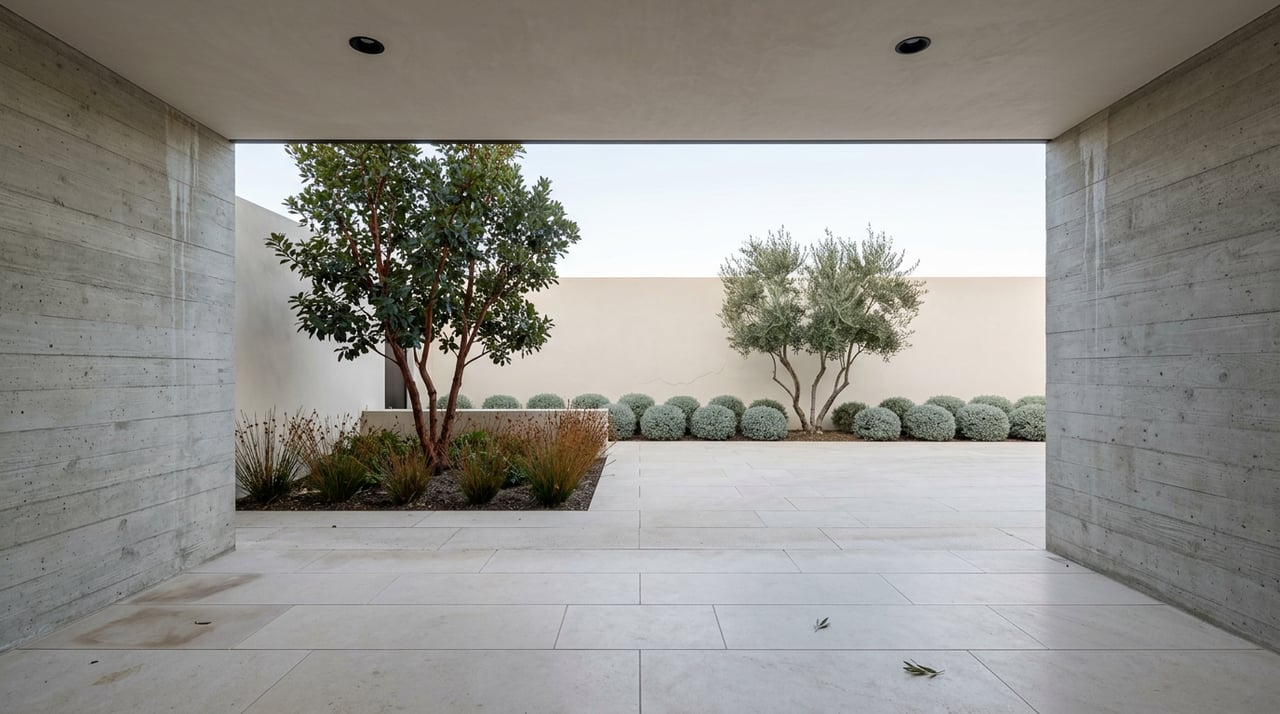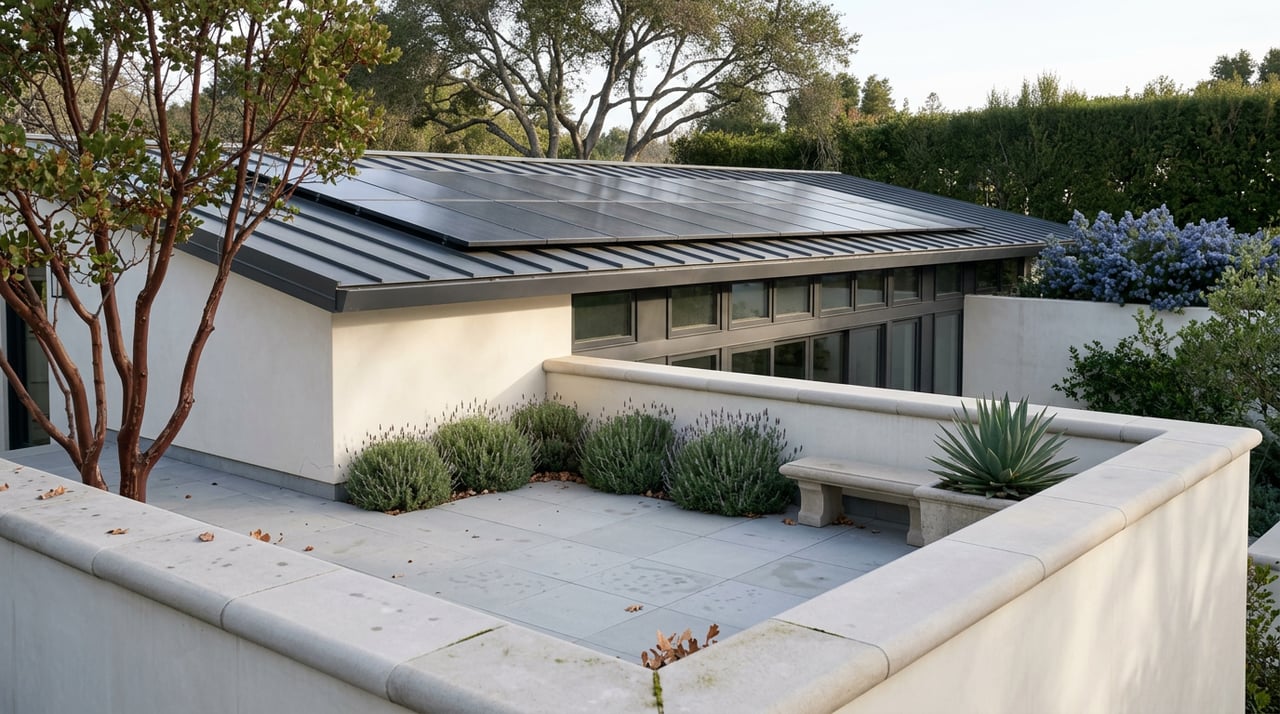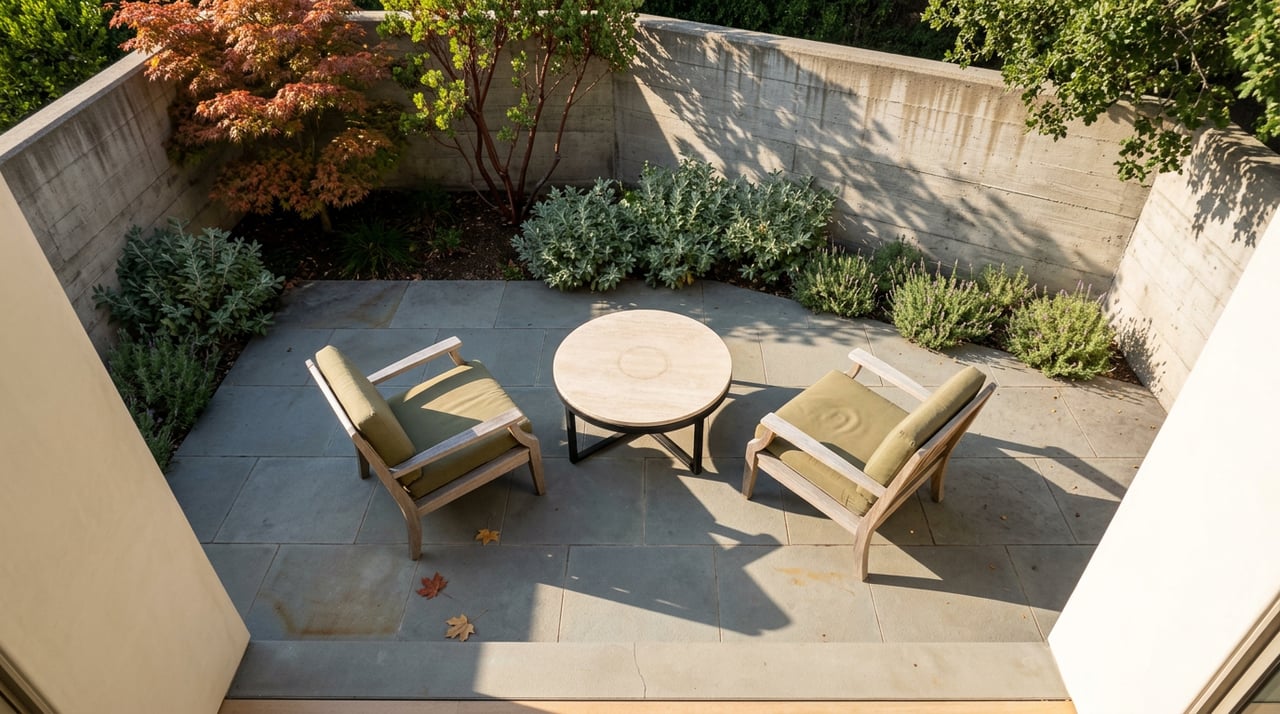
Are you drawn to the energy of a walkable town center, or do you picture yourself coming home to a quieter setting with trees, views, and a stronger connection to the landscape? In Lafayette, that choice often comes down to downtown versus the hillside neighborhoods. Both offer a distinct lifestyle, and understanding the difference can help you focus your search with more confidence. Let’s dive in.
Downtown vs. Hillside at a Glance
If you are comparing these two parts of Lafayette, the biggest difference is how each area is planned and experienced day to day. Downtown Lafayette is the city’s only specific-plan area, with standards that address height, scale, parking, circulation, pedestrian access, landscaping, outdoor space, and creek-related design considerations.
The city’s downtown design guidance also describes the area as a place to shop, dine, and stroll. By contrast, the Hillside Overlay District uses a separate permit and design-review framework that focuses on protecting ridgelines, hillsides, and rural residential areas. In practical terms, downtown tends to support convenience and connectivity, while the hills tend to support privacy and landscape-driven living.
Housing Style and Setting
Downtown Homes Feel More Compact
Downtown Lafayette is the area where you are most likely to encounter compact, attached, or mixed-use housing forms. The city’s downtown objective standards are written for new multi-family and multi-family mixed-use development, especially in downtown commercial and multi-family zoning districts.
That does not tell you the exact inventory on the market at any given moment, but it does suggest the overall built pattern. If you want a home base that feels closer to shops, dining, services, and transit, downtown is usually the more natural fit.
Hillside Homes Feel More Site-Sensitive
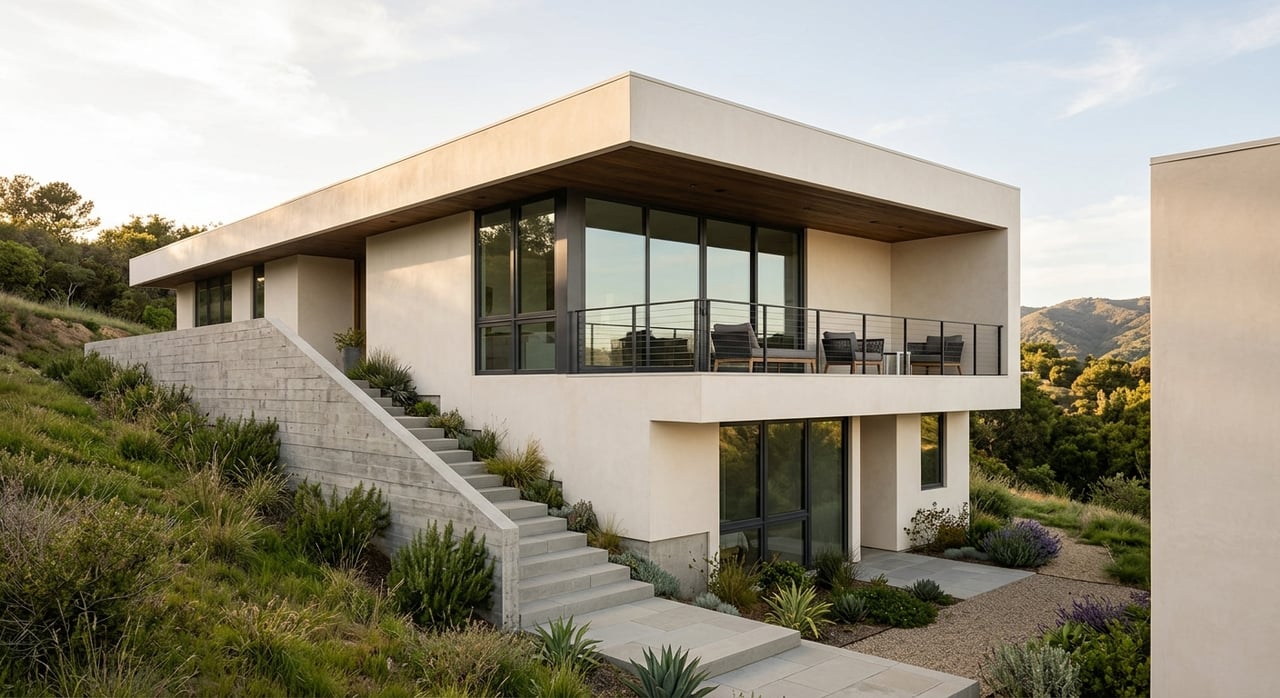
In the hillside neighborhoods, development is guided by the Hillside Overlay District and a Hillside Development Permit process. The city’s residential hillside guidelines focus on single-family residences, with attention to preserving views, trees, native vegetation, and the natural contour of the site.
That framework shapes the feel of these neighborhoods. Homes often relate more directly to the terrain, and the setting can feel more visually open, detached, and immersed in Lafayette’s natural topography.
Daily Convenience and Mobility
Downtown Is the Easier Transit Base
If your routine includes commuting or you simply like having more ways to get around, downtown has a clear edge. Lafayette BART station sits on the Antioch to SFIA/Millbrae line, and the city identifies BART among Lafayette’s public transportation options.
The city’s Aqueduct Pathway project also strengthens downtown connectivity. According to the city, the route will create a safe, fully separated walking and biking connection through downtown between Dolores Drive and the Lafayette BART station, directly serving neighborhoods, downtown destinations, housing sites, jobs, and commercial and institutional uses.
Hillside Living Usually Means More Driving
For hillside buyers, convenience often depends more on where a property sits in relation to the commercial core and station. The city’s most prominent pedestrian and bike improvements are centered closer to downtown and BART, so the practical ease of a walk-to-transit lifestyle generally narrows as you move uphill.
That does not make hillside living less appealing. It simply means your day-to-day rhythm may rely more on driving, especially for errands, dining, or regional transit access.
Parking Still Matters Downtown
Downtown convenience comes with one practical consideration: parking planning. The city is currently identifying downtown parking management strategies to balance parking supply and demand, expected new housing, and increased multimodal travel.
If you are considering a downtown purchase, it is wise to think through how you actually live. If you value being close to daily destinations, parking may feel like a manageable tradeoff. If easy on-site parking is high on your priority list, that question deserves extra attention.
Outdoor Access and Recreation
Downtown Offers Quick Trail Access
Downtown Lafayette gives you strong access to paved regional trails and easy-use recreation. The Lafayette-Moraga Regional Trail is a 7.7-mile relatively flat paved trail that the park district says is popular for recreation and commuting to school and work.
The Briones to Las Trampas Regional Trail also passes near the Lafayette BART station, bisects Lafayette’s commercial area, and connects to the Lafayette-Moraga Trail. If you enjoy a morning walk, an after-work bike ride, or a flatter running route, downtown-adjacent outdoor access is a real benefit.
Hillside Living Connects You to the Landscape
The hillside areas often feel more tied to Lafayette’s broader natural setting. The city says Lafayette Reservoir is about a mile from BART and is ideal for hiking, jogging, fishing, boating, and picnicking.
The city also notes that Lafayette has more than 16 miles of hiking trails, including neighborhood trails, Reservoir trails, the Lafayette-Moraga Trail, and trails in Briones. Lafayette Community Park adds a 68-acre setting with rolling hills, oak woodlands, wildlife, and nearly 3 miles of multi-use trails.
For many buyers, that difference matters. Downtown supports quick, convenient outdoor routines, while the hills often deliver a more immersive sense of open space and terrain.
Lifestyle Fit: Which One Feels More Like You?
Choose Downtown if You Value Access
Downtown Lafayette may suit you best if you want:
- Walkable access to coffee, dining, and everyday services
- Easier proximity to BART
- A more active commercial core
- Faster connections to paved trails and downtown amenities
- A lower-maintenance, convenience-first routine
If your schedule is busy and you want daily life to feel efficient, downtown can offer a strong blend of movement, access, and ease.
Choose the Hillside if You Value Privacy
The hillside neighborhoods may be a better fit if you want:
- More privacy and separation from the town center
- Views, trees, and stronger visual connection to the landscape
- A home setting shaped by topography
- A detached residential feel
- Recreation that feels more nature-oriented
If you want your home environment to feel quieter and more tucked into Lafayette’s terrain, the hills are often the more compelling option.
What Buyers Should Know About Hillside Review
One important practical difference is the approval path for hillside properties. In the Hillside Overlay District, development requires a Hillside Development Permit, and the city’s review framework focuses on issues like grading, drainage, tree protection, habitat preservation, and minimizing visual impact from off-site views.
For a buyer, that does not mean a hillside property is harder to love or less desirable. It means site conditions and future property changes may involve more location-specific review considerations than many properties closer to downtown. If you are planning improvements, that context matters early.
How to Make the Right Choice
The best choice usually comes down to how you want your week to feel, not just how you want your home to look. If you want a more connected, walk-to-transit, walk-to-dining routine, downtown Lafayette is often the clearer match.
If you want privacy, a stronger sense of natural setting, and a home that feels shaped by hillside terrain, the hills may align better with your long-term lifestyle. In either case, the right decision comes from matching the property to your priorities with a clear understanding of how each area functions.
If you are weighing Lafayette downtown versus the hillside neighborhoods, the right guidance can help you narrow the field quickly and avoid expensive guesswork. The Anthony Riggins Team brings a polished, high-touch approach to helping buyers evaluate lifestyle fit, property context, and long-term value across the East Bay.
FAQs
Is downtown Lafayette better for commuting?
- Yes. Downtown is closer to Lafayette BART, and the city’s Aqueduct Pathway project is designed to improve safe walking and biking connections between downtown, neighborhoods, and the station.
Do hillside Lafayette homes have extra permit considerations?
- Yes. Properties in the Hillside Overlay District may be subject to a Hillside Development Permit and design review that consider grading, drainage, trees, habitat, views, and site visibility.
Is parking still a factor in downtown Lafayette?
- Yes. The city is actively studying downtown parking management strategies to balance supply, demand, new housing, and increased multimodal travel.
What kind of recreation is easier from downtown Lafayette?
- Downtown offers convenient access to flatter paved trail systems, including the 7.7-mile Lafayette-Moraga Regional Trail and nearby connections through Lafayette’s commercial core.
What kind of lifestyle do Lafayette hillside neighborhoods support?
- Hillside neighborhoods generally support a more private, landscape-oriented lifestyle with stronger visual connection to trees, ridgelines, and natural terrain.