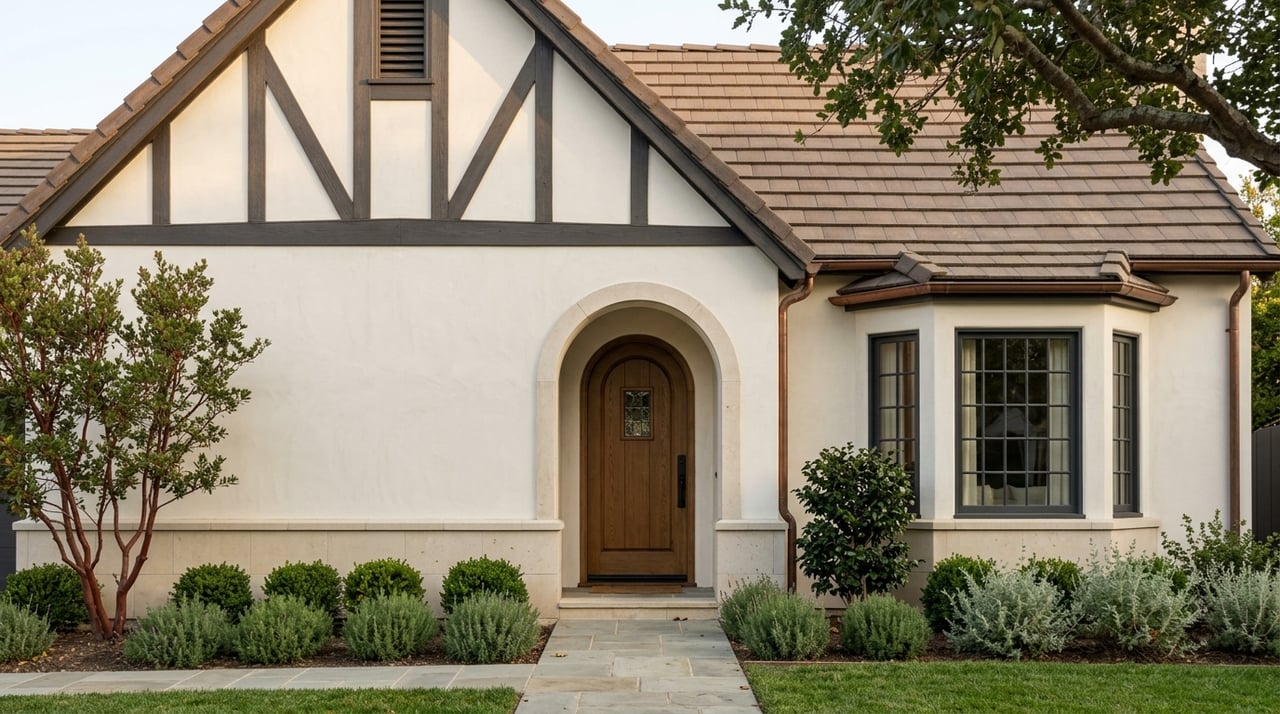
If you are drawn to Piedmont luxury homes, you are not just buying square footage. You are often choosing a specific architectural language, a certain relationship to the lot, and a home that fits into one of the East Bay’s most design-conscious residential settings. In a city where more than 70% of homes were built before 1940, understanding style can help you spot value, evaluate fit, and make better decisions as a buyer or seller. Let’s dive in.
Why architecture matters in Piedmont
Piedmont is a small residential city of about 11,000 residents spread across roughly 1.7 square miles in the Oakland Hills. Its housing identity is deeply tied to its early growth, especially between 1907 and 1940, when many of the homes that still define the city were built.
That history still shapes the luxury market today. With a median sale price of $3.1 million for the three months ending May 2026, buyers tend to pay close attention to architecture, lot quality, and view orientation. In Piedmont, style is not just cosmetic. It often affects layout, curb presence, and how a home sits within its surroundings.
The city’s General Plan also notes that many homes enjoy partial or full westerly views toward skylines, bridges, water, and hills, along with nearer views over wooded canyons or toward the Oakland Hills. That means a home’s value story often includes both its architecture and the way it captures light, privacy, and outlook.
Piedmont’s signature home styles
Piedmont includes a rich mix of revival architecture and later California modern design. While each property is unique, a few styles appear again and again in the local luxury market.
Tudor homes
Tudor and English Tudor homes are among Piedmont’s earliest and most recognizable luxury residences. These homes typically feature steep side-gable roofs, cross gables, tall narrow multi-paned windows, and prominent chimneys.
Exterior materials can include stucco, brick veneer, stone veneer, wood shingles, or decorative half-timbering. In Piedmont, these details often feel especially substantial because they appear on mature streets with established landscaping and larger prewar homes.
Inside, Tudor homes often suggest a more formal sequence of spaces. You may see defined rooms rather than fully open layouts, which can appeal to buyers who value character, separation, and traditional scale.
Mediterranean and Spanish Revival homes
Mediterranean Revival is another important Piedmont style. Local design guidance specifically references this architecture, often noting features such as tile roofs, white stucco walls, and a strong sense of scale and massing.
This style often brings a sculptural look to the streetscape. Arched openings, stucco surfaces, and terrace-oriented outdoor areas can create a refined connection between the house and the landscape.
For luxury buyers, Mediterranean homes often stand out for their visual warmth and indoor-outdoor potential. In Piedmont, they can feel especially compelling on sites that support terraces, gardens, and graceful front elevations.
Craftsman and Bungalow homes
Craftsman, Bungalow, and related early home types are also part of Piedmont’s architectural foundation. Many retain preserved or restored period details, which can be a major draw for buyers who appreciate original design.
These homes are often one to two stories and commonly feature broad low-pitched gables, overhanging eaves, exposed rafters, and strong ties to the natural setting. Bay Area Craftsman homes are also known for generous windows, porches, courtyards, and an open, informal feel.
In Piedmont, that design language often works beautifully on wooded lots and older residential blocks. Compared with more formal revival styles, Craftsman homes can feel more relaxed, more tactile, and more connected to the site.
Colonial Revival homes
Colonial Revival architecture holds a special place in Piedmont. The city’s planning materials note that some of the Bay Area’s best examples of this style can be found here.
These homes are typically defined by symmetry, formal entrances, columns or pilasters, and details such as fanlights, sidelights, or Palladian windows. The overall effect is orderly, composed, and traditional.
In the luxury segment, Colonial Revival homes often appeal to buyers who want a strong sense of balance and a polished street presence. Their floor plans may also lean more formal, with clearer separation between public and private rooms.
Mid-century and California modern homes
Piedmont’s architectural story does not stop with prewar houses. The city also recognizes the 1945 to 1960 California modern era as an important part of its more recent design heritage.
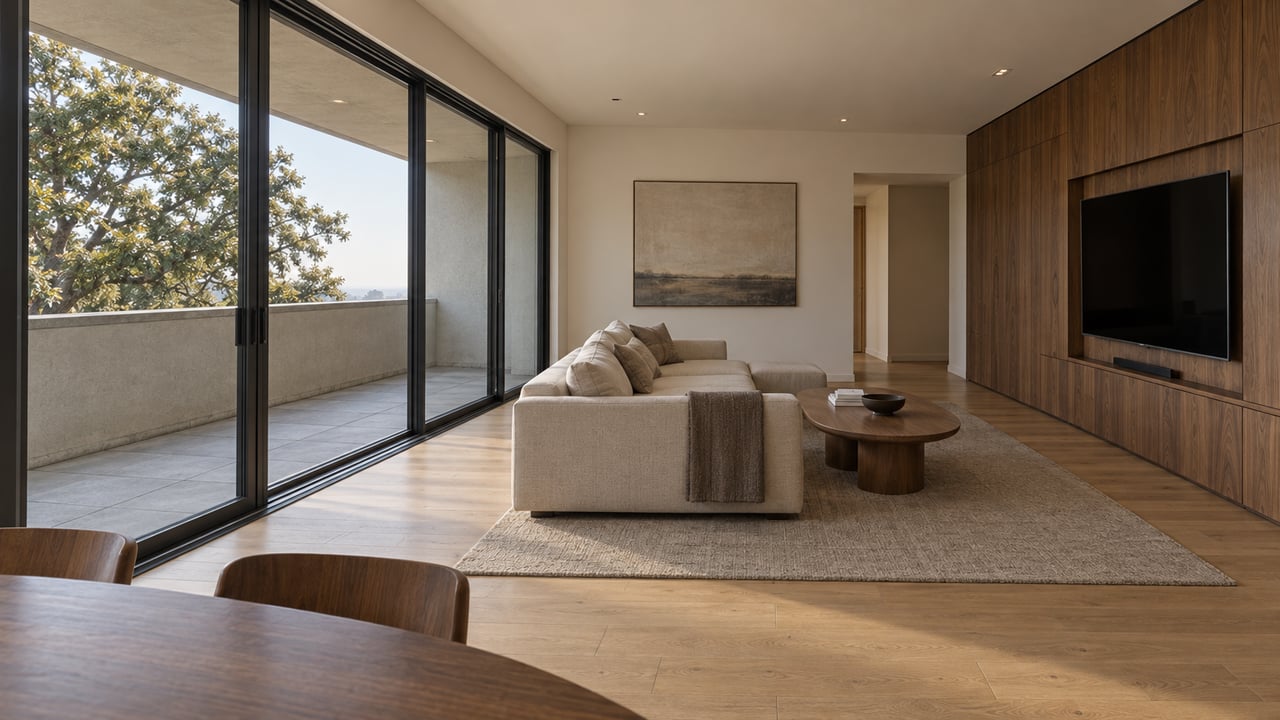
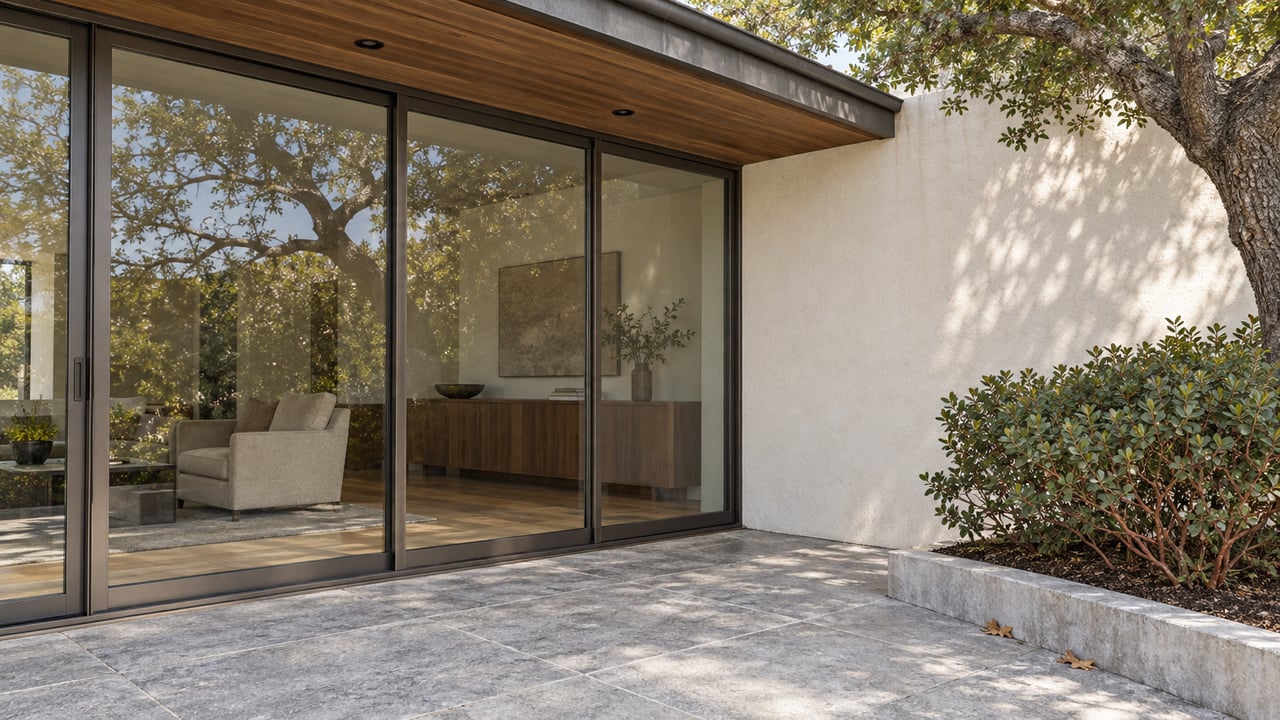
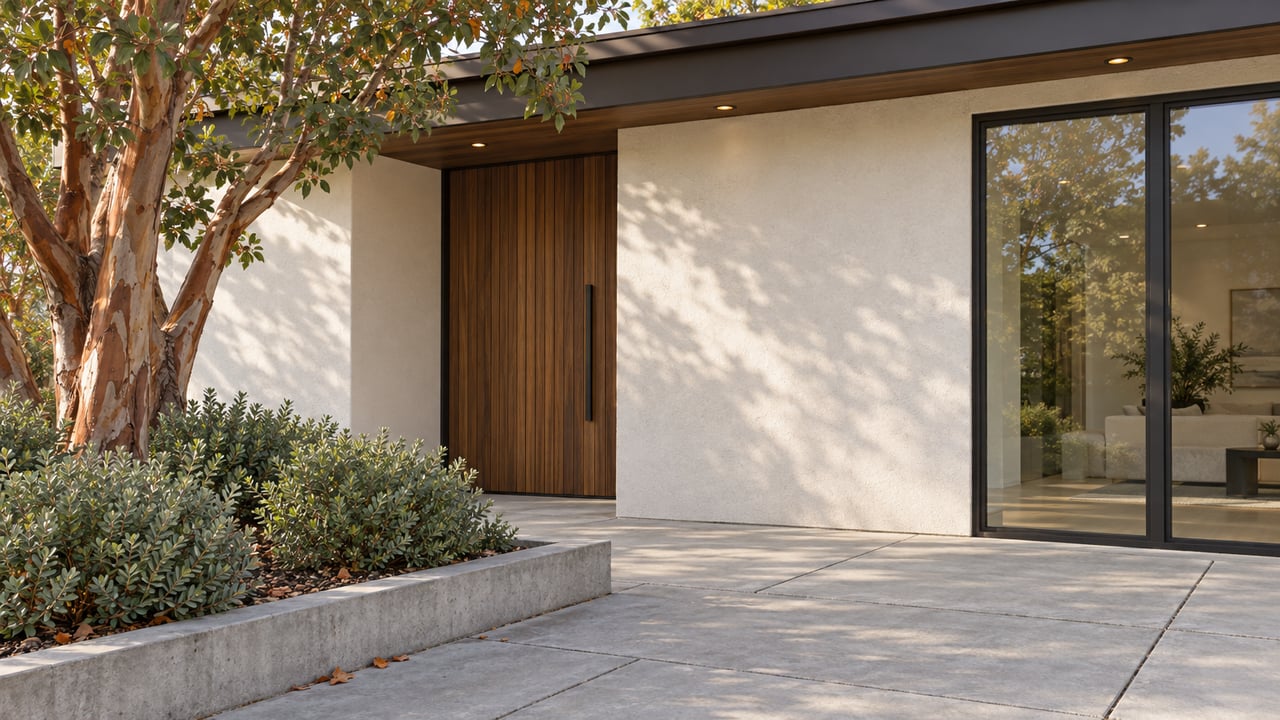
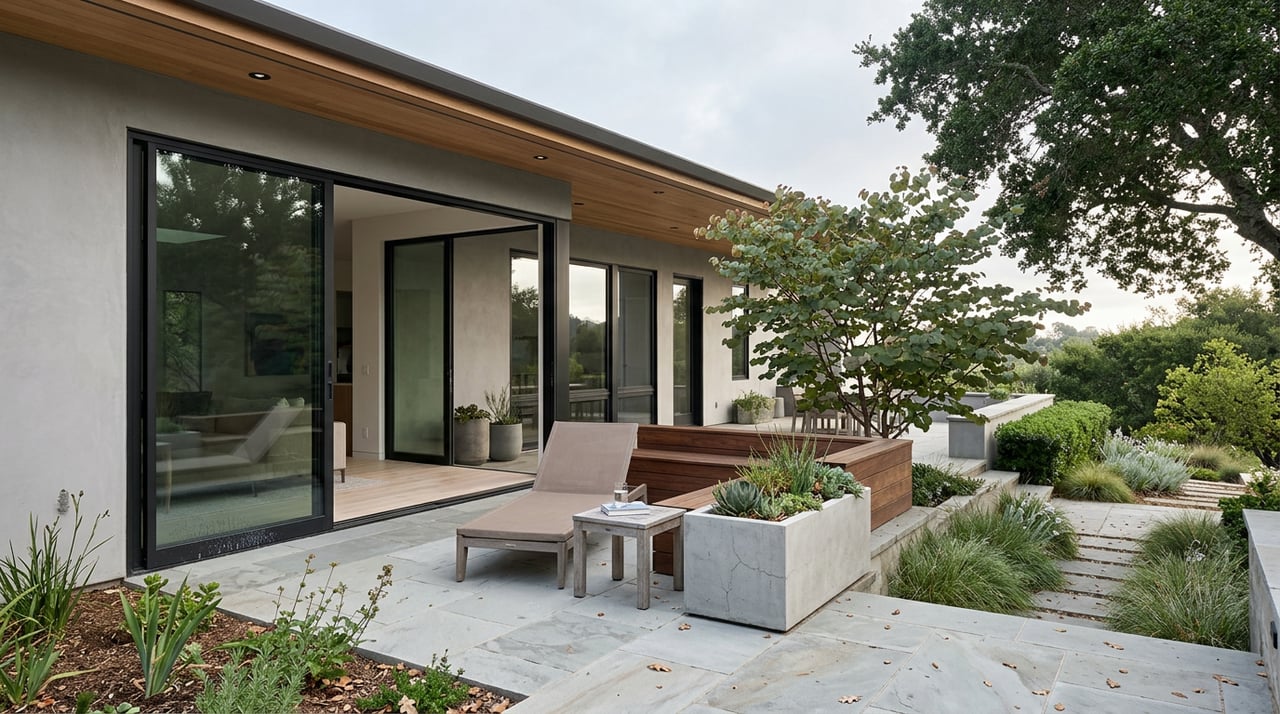
These homes often emphasize open floor plans, integrated living and dining areas, large picture windows, and sliding glass doors that open to outdoor spaces. Compared with older revival homes, they tend to read as lower, more horizontal, and more landscape-oriented.
For today’s buyers, this style can feel especially current. If you value light, flow, and a less formal plan, a mid-century or California modern home may offer a very different living experience than a Tudor or Colonial Revival residence of similar size.
How lot, views, and siting shape value
In Piedmont, a beautiful house still has to work well on its lot. The city’s design-review framework places clear emphasis on aesthetics, compatibility, safety, privacy, light, and the effect a project may have on neighboring views.
That matters because the local market tends to reward homes that feel integrated with their setting. A luxury home here is often judged not only by finishes and square footage, but also by how it follows the terrain, protects outlooks, and relates to nearby homes.
Hillside lots require thoughtful design
Piedmont’s residential design guidelines are especially clear about hillside siting. On steeper slopes, homes should reduce visual bulk, follow the contours of the land, and avoid oversized building planes.
This can have a major impact on how architecture is experienced. A well-sited house may feel elegant and calm, while a home that ignores topography can feel visually heavy even if the materials are expensive.
Views are part of the luxury equation
Many Piedmont homes benefit from partial or full westerly views, shorter-range canyon outlooks, or views toward the Oakland Hills. Because of that, orientation often becomes part of a home’s value story.
The city’s design rules also emphasize preserving significant views where reasonable. For buyers, this means view quality is not just about what you see today, but also about how a home fits within a view-sensitive setting.
Compatibility matters, but exact imitation does not
Piedmont’s design guidelines make an important distinction. A home does not need to be an exact copy of its neighbors, but it should relate to the surrounding context in scale and massing.
Where one style dominates, compatibility with that style is encouraged. Where several styles exist, the expectation is broader. Modern design is allowed as long as it fits the neighborhood context.
That helps explain why luxury in Piedmont often reads as authenticity and restraint rather than size alone. Buyers tend to respond to homes that feel intentional, well-composed, and appropriate for their setting.
What buyers should look for
If you are shopping for a luxury home in Piedmont, style should guide more than your visual preferences. It can also help you understand how a home may live day to day.
A few things are worth paying close attention to:
- Layout logic: Tudor and Colonial Revival homes often have more formal entry sequences and defined rooms, while Craftsman and mid-century homes may prioritize openness and circulation.
- Site relationship: Notice whether the home feels grounded on the lot, especially on hillsides or view-facing parcels.
- Original details: Preserved or restored architectural elements can add both character and market appeal.
- Light and outlook: Windows, room orientation, and indoor-outdoor access can shape how a home feels as much as square footage does.
- Neighborhood fit: In Piedmont, homes that relate well to their setting often hold strong appeal over time.
What sellers should understand
If you are preparing to sell a luxury home in Piedmont, your property’s architectural identity should be part of the marketing strategy from the beginning. Buyers in this market often notice the difference between a home with a clear design story and one presented too generically.
That does not mean every home should be marketed the same way. A Tudor calls for different storytelling than a California modern residence, and a terrace-oriented Mediterranean home needs a different visual emphasis than a formal Colonial Revival property.
The strongest presentation often highlights a few key themes:
- The defining architectural style and period details
- The home’s relationship to lot, gardens, and views
- The flow of the floor plan and how it matches modern living
- The level of preservation, restoration, or thoughtful updating
- The property’s fit within Piedmont’s established residential context
In a market like Piedmont, architectural clarity can support stronger positioning. It helps buyers quickly understand what makes a home distinctive and why it belongs in the luxury category.
Why this matters in today’s market
Piedmont does not have designated historic districts, but the city’s planning framework effectively treats the whole community as a neighborhood conservation environment. Design review and zoning are intended to protect older housing stock and discourage replacement with substantially larger homes that do not fit the setting.
That makes architecture both a visual and practical issue. Buyers often place a premium on original details, siting, and compatibility, while sellers benefit from understanding how these factors shape perception and value.
For both sides of the transaction, the takeaway is simple. In Piedmont, luxury is rarely just about size or finish level. It is about the total composition of house, lot, views, and architectural integrity.
If you are thinking about buying or selling in Piedmont, a nuanced understanding of architectural style can give you a real advantage. The right guidance can help you evaluate what is truly distinctive, present a property with precision, and navigate this highly specific luxury market with confidence. To start that conversation, connect with the Anthony Riggins Team.
FAQs
What architectural styles are common in Piedmont luxury homes?
- Common styles include Tudor, Mediterranean or Spanish Revival, Craftsman or Bungalow, Colonial Revival, and mid-century or California modern homes.
Why does architecture matter so much in Piedmont real estate?
- Architecture matters in Piedmont because buyers often evaluate not just the home’s appearance, but also its layout, original details, lot fit, view orientation, and compatibility with the surrounding streetscape.
Are most Piedmont homes historic?
- More than 70% of Piedmont homes were built before 1940, according to the city’s General Plan, so many homes reflect early 20th-century architectural styles.
How do views affect Piedmont luxury home value?
- Many Piedmont homes have westerly, canyon, or hill views, and view orientation is an important part of how buyers assess light, privacy, and overall appeal.
Can modern homes fit into Piedmont neighborhoods?
- Yes. Piedmont’s design guidelines allow modern design when it fits the neighborhood’s scale and massing and relates appropriately to nearby homes.
What should sellers highlight in a Piedmont architectural home?
- Sellers should highlight the home’s architectural style, preserved period details, relationship to the lot, view orientation, layout, and any thoughtful updates that respect the property’s design character.