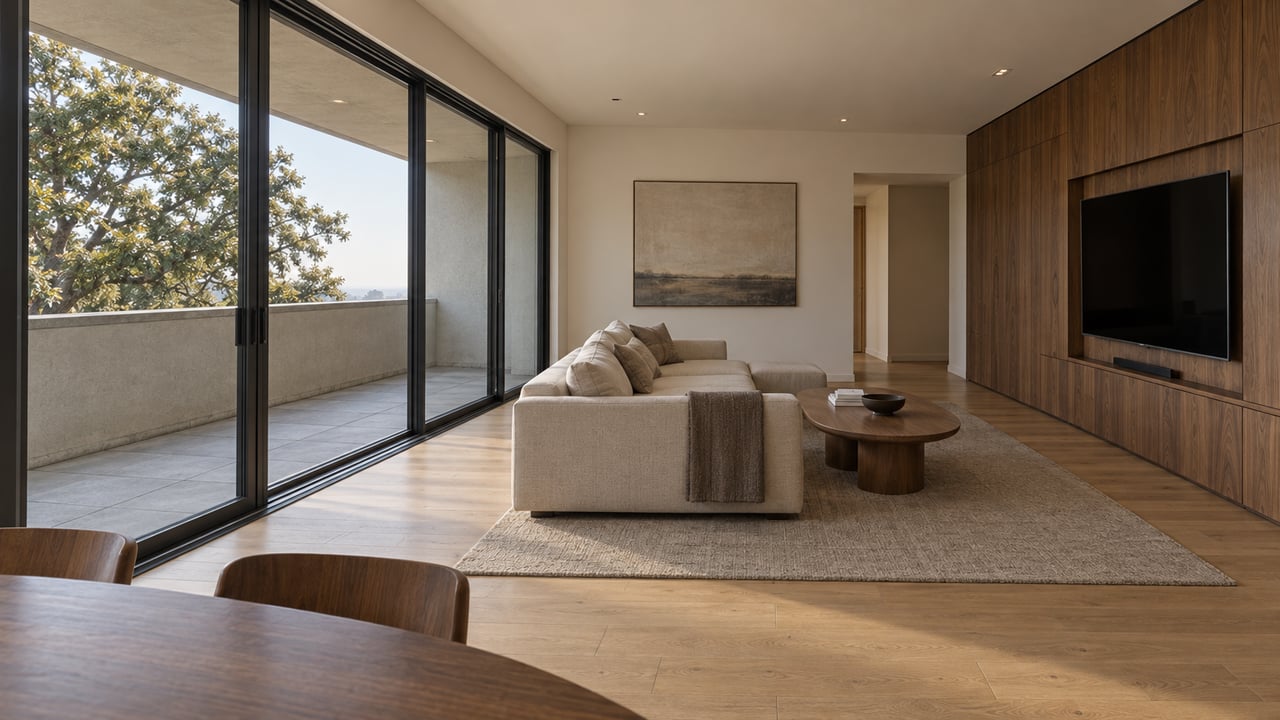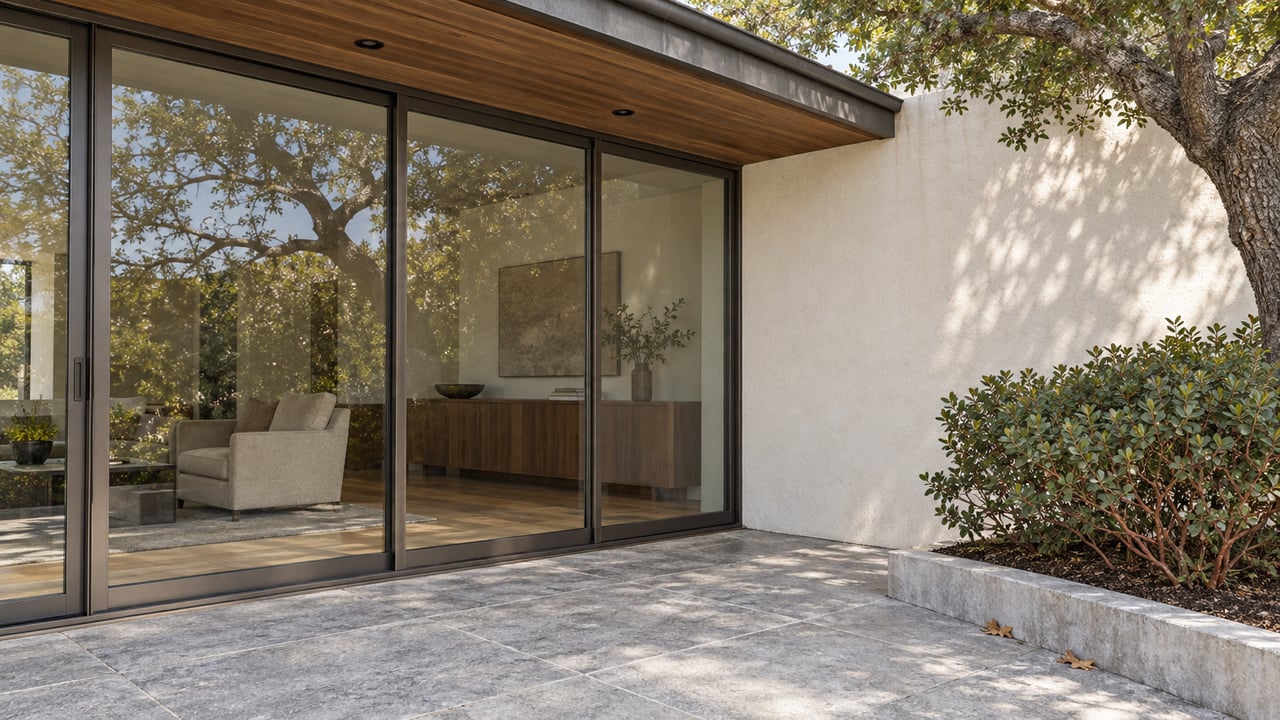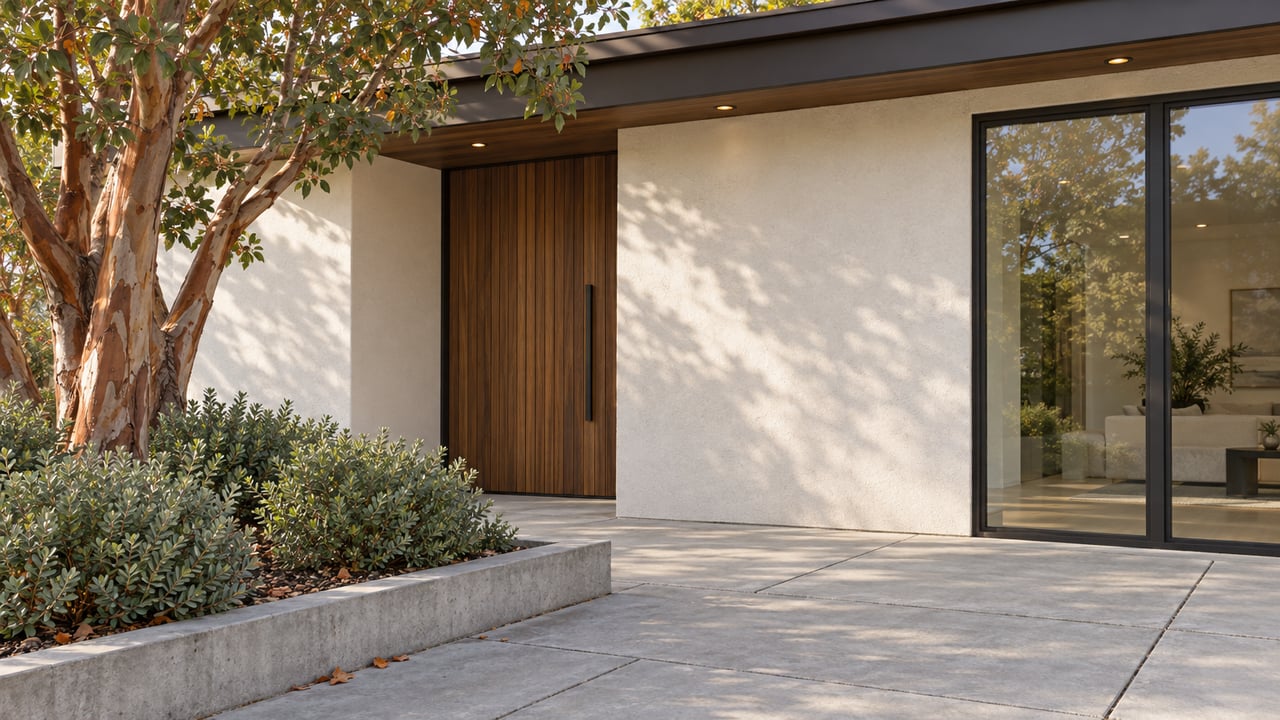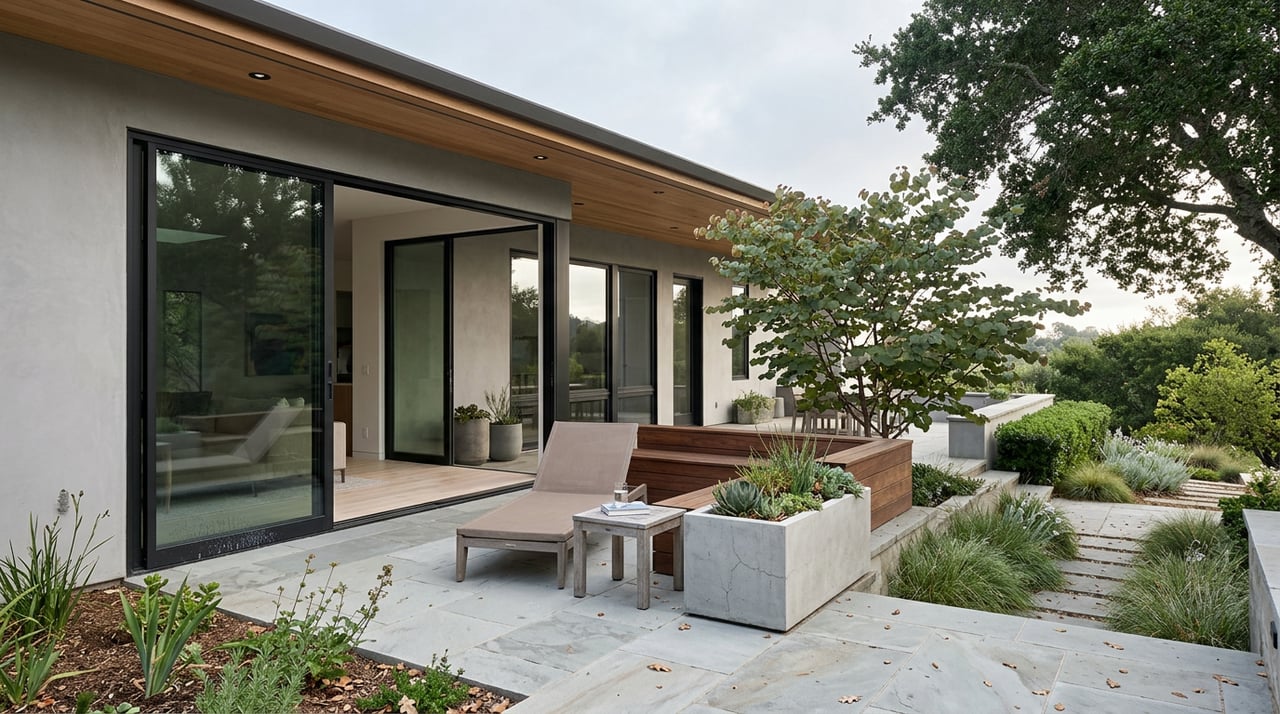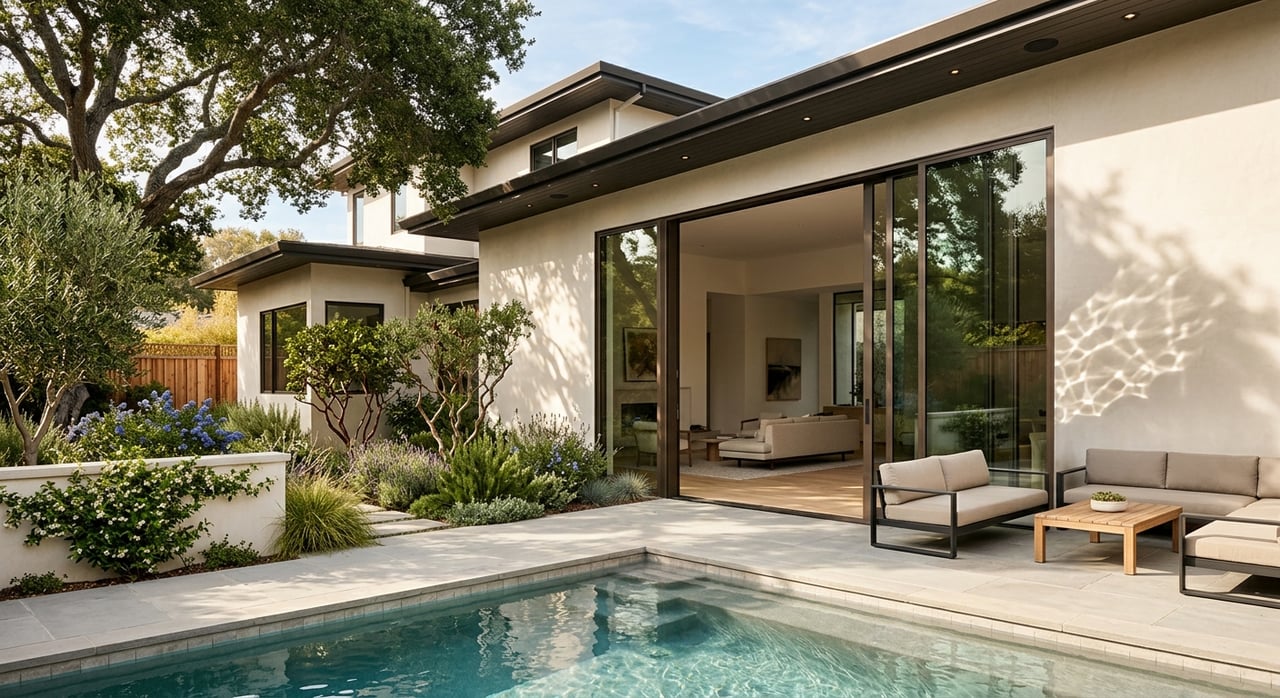
If you are searching for an East Bay community where outdoor time feels built into daily life, Lafayette stands out quickly. Between local trails, reservoir access, swim clubs, and homes that often prioritize patios, gardens, and yard space, the city offers a lifestyle that extends well beyond the walls of the house. For buyers, that matters because outdoor living in Lafayette is not just a bonus feature. It is often part of how people choose where and how they want to live. Let’s take a closer look.
Why outdoor living matters in Lafayette
Lafayette’s outdoor appeal starts with the city’s physical setting. The city describes itself as surrounded by hills and open space, and its planning materials emphasize preserving a semi-rural character. That combination helps explain why outdoor space feels central to the local lifestyle rather than secondary to it.
For you as a buyer, this means the experience of a home often includes more than the interior floor plan. Lot shape, slope, views, shade, and proximity to trails or recreation can have a real impact on how a property lives day to day.
Trails shape the rhythm of daily life
One of Lafayette’s strongest lifestyle advantages is how easy it is to get outside. The city manages seven trails plus the Community Park trail network, for about 16 miles total. According to the city, these trails connect neighborhoods and also serve as transportation alternatives.
That detail is important because it means trails here are not only weekend destinations. In many parts of Lafayette, they are woven into everyday movement, exercise, and recreation.
Lafayette-Moraga Regional Trail
The Lafayette-Moraga Regional Trail is one of the area’s best-known outdoor amenities. East Bay Regional Park District describes it as a 7.7-mile paved, flat, wheelchair-accessible rail trail used by hikers, cyclists, equestrians, joggers, and runners.
It also connects to parks, transit, and other community destinations. If you value walkability and active use without needing a steep climb, this trail can be a major lifestyle asset when choosing where to live in Lafayette.
Lafayette Reservoir access
Lafayette Reservoir adds another layer to the city’s outdoor appeal. EBMUD notes that the reservoir includes the 2.7-mile paved Lakeside Nature Trail and the 4.7-mile unpaved Rim Trail, with more than 10 miles of scenic hiking when connector trails are included.
The reservoir is also a day-use area for hiking, jogging, fishing, boating, and picnicking, with boat rentals and picnic areas. For many buyers, that kind of recreation close to home can make a meaningful difference in how often you actually use the outdoors.
Community Park and nearby open space
At a more neighborhood scale, Lafayette Community Park shows how outdoor amenities are distributed through the city. The 68-acre site includes nearly 3 miles of multi-use trails, along with playgrounds, picnic areas, sports fields, creek edges, and rolling terrain.
For broader open-space access, Briones Regional Park sits nearby with entry points at Bear Creek Road and Lafayette Ridge. East Bay Regional Park District identifies hiking, running, biking, horseback riding, birdwatching, and picnicking among the main uses there.
Lafayette has a strong swim culture
Not every suburban market has a recreation identity tied so clearly to swimming, but Lafayette does. The local pool and club landscape gives outdoor living here a different texture, especially for buyers who want a more active, seasonal, and community-oriented routine.
This also matters from a real estate perspective. In a market where swimming is part of the broader lifestyle fabric, buyers may think about pools and club access differently than they would in a location where they are less common.
Private and member-based pool options
Las Trampas Pool, founded in 1958 in Burton Valley, is a member-owned swim club located on the Lafayette-Moraga Regional Trail. It includes a 6-lane 25-yard pool, diving well, baby pool, swim team, and lessons.
Springbrook Pool offers another active option, with an 8-lane pool, water slide, diving board, shallow kids’ pool, picnic and barbecue areas, a volleyball court, lessons, and a swim team. Oakwood Athletic Club keeps swimming available year-round with a 25-yard heated pool and programs that include lessons, recreational swim, adult swim, junior swim team, and master’s swim.
Rancho Colorados Swim and Tennis Club adds lap and kiddie pools, tennis, camp programs, and swim programming for members. The city’s park planning materials also identify Sun Valley Swimming Pool Association as a private recreation facility with two pools, lessons, a swim team, and family activities.
What this means for homebuyers
If you are considering Lafayette, swim access may come in more than one form. Some buyers may prefer a home with space for a private pool, while others may prioritize membership-based recreation nearby and use the yard for other features such as dining terraces, play areas, gardens, or lawn.
That flexibility can be useful because it widens what “outdoor living” can mean. In Lafayette, a strong outdoor lifestyle does not rely on a single property type or one ideal lot configuration.
Not all outdoor space feels the same
One of the most important things to understand about Lafayette real estate is that outdoor usability can vary widely from one property to the next. The city’s hills, creeks, and changing topography shape what is practical on each parcel.
A large yard on paper may not always translate into broad, flat usable space. In contrast, a smaller lot in a flatter setting may offer easier indoor-outdoor flow and more straightforward use for entertaining, play, or a future landscape plan.
Hillside and creek considerations
The city requires a Hillside Development Permit in the Hillside Overlay District for certain new construction, grading, lot line adjustments, land-use changes, and subdivisions. A grading permit is required for moving more than 50 cubic yards of soil, and creek work must comply with city creek-setback requirements.
For you as a buyer, these rules matter because they can affect future plans for expansions, terraces, retaining walls, drainage work, or major landscape changes. If outdoor use is a top priority, it is wise to look beyond the listing photos and understand how the site actually works.
Flat lots versus hillside lots
In practical terms, flatter parcels are often more likely to support broad lawns, patios, and pools. Hillside or creek-adjacent lots may offer a different set of strengths, including views, privacy, terraced gardens, and a stronger connection to surrounding open space.
Neither is inherently better. The right fit depends on how you want to live outside, whether that means hosting, gardening, swimming, or simply having a quiet place to sit and take in the setting.
Climate plays a role too
Lafayette’s outdoor lifestyle is also supported by climate. The Bay Area has a Mediterranean-type climate with mild, wet winters and warm, dry summers, and Contra Costa County places Lafayette in climate zone 12 for building-code purposes.
At the same time, microclimate matters here. A report referenced by state emergency management sources notes that the East Bay Hills create their own micro-climatic conditions, with the hills blocking low clouds and moist air from reaching Contra Costa County.
Why microclimate matters when touring homes
That means one pocket of Lafayette can feel noticeably different from another depending on elevation, ridge exposure, creek proximity, and surrounding open space. Some homes may feel especially comfortable for outdoor dining and lounging, while others may need more shade planning or drought-conscious landscaping to perform as well.
This is one reason local context matters so much when comparing properties. Two homes with similar square footage can offer very different outdoor experiences once sun exposure, wind, slope, and privacy are factored in.
What to look for in a Lafayette property
If outdoor living is high on your list, it helps to evaluate each home with a more detailed lens. Beyond the basic lot size, pay attention to how the site supports the way you want to use it.
A few smart questions to ask include:
- How much of the lot is flat and readily usable?
- Is there direct or nearby access to trails, parks, or the reservoir?
- Does the property feel warm, exposed, shaded, or protected at different times of day?
- Are there existing patios, lawns, gardens, or pool areas that support your goals?
- Could future site changes trigger hillside, grading, creek, or landscaping requirements?
- Would club-based swimming or recreation reduce the need for certain features at home?
These details can help you compare homes more clearly, especially in a market where lifestyle value often extends beyond the structure itself.
Why Lafayette stands out
What makes Lafayette compelling is that its outdoor story is layered. You have neighborhood trails, destination recreation at the reservoir, access to regional open space, and a swim culture that is more established than many buyers expect.
You also have a housing landscape where outdoor living is shaped by topography, climate, and city regulations in ways that make each property more distinct. For buyers who care about daily quality of life, that can be a real advantage because it creates more nuanced choices and more opportunities to find a home that fits your routine.
If you are weighing Lafayette against other East Bay communities, outdoor living deserves a close look. In many cases, it is not just part of the appeal. It is one of the reasons buyers choose the area in the first place.
If you are considering a move and want help evaluating how a property’s lot, setting, and outdoor potential align with your goals, the Anthony Riggins Team can help you navigate Lafayette with local perspective and a highly tailored approach.
FAQs
What makes outdoor living in Lafayette different from other East Bay cities?
- Lafayette combines city-managed trails, reservoir recreation, nearby regional open space, and a notably strong swim-club culture, all within a setting the city describes as semi-rural.
Which trails are most notable for outdoor recreation in Lafayette?
- Key options include the Lafayette-Moraga Regional Trail, Lafayette Reservoir trails, city-managed neighborhood trails, and the nearly 3 miles of trails at Lafayette Community Park.
Does Lafayette Reservoir offer more than hiking?
- Yes. The reservoir is a day-use area for hiking, jogging, fishing, boating, and picnicking, and it also offers boat rentals and picnic areas.
Are pools and swim clubs a major part of Lafayette life?
- Yes. Research shows multiple active swim clubs and pool facilities in Lafayette, including Las Trampas Pool, Springbrook Pool, Oakwood Athletic Club, Rancho Colorados Swim and Tennis Club, and Sun Valley Swimming Pool Association.
How does lot topography affect outdoor living at Lafayette homes?
- Lafayette’s hills, creek areas, and varying terrain can affect how much yard space is flat and usable, as well as what improvements may be feasible.
What property rules can affect outdoor improvements in Lafayette?
- Depending on the site, plans may involve hillside development review, grading permits, creek-setback requirements, and water-efficient landscaping compliance.
Why does microclimate matter when buying a home in Lafayette?
- Conditions can vary by elevation, exposure, and proximity to creeks or open space, which can influence comfort, shade needs, and how outdoor areas function day to day.