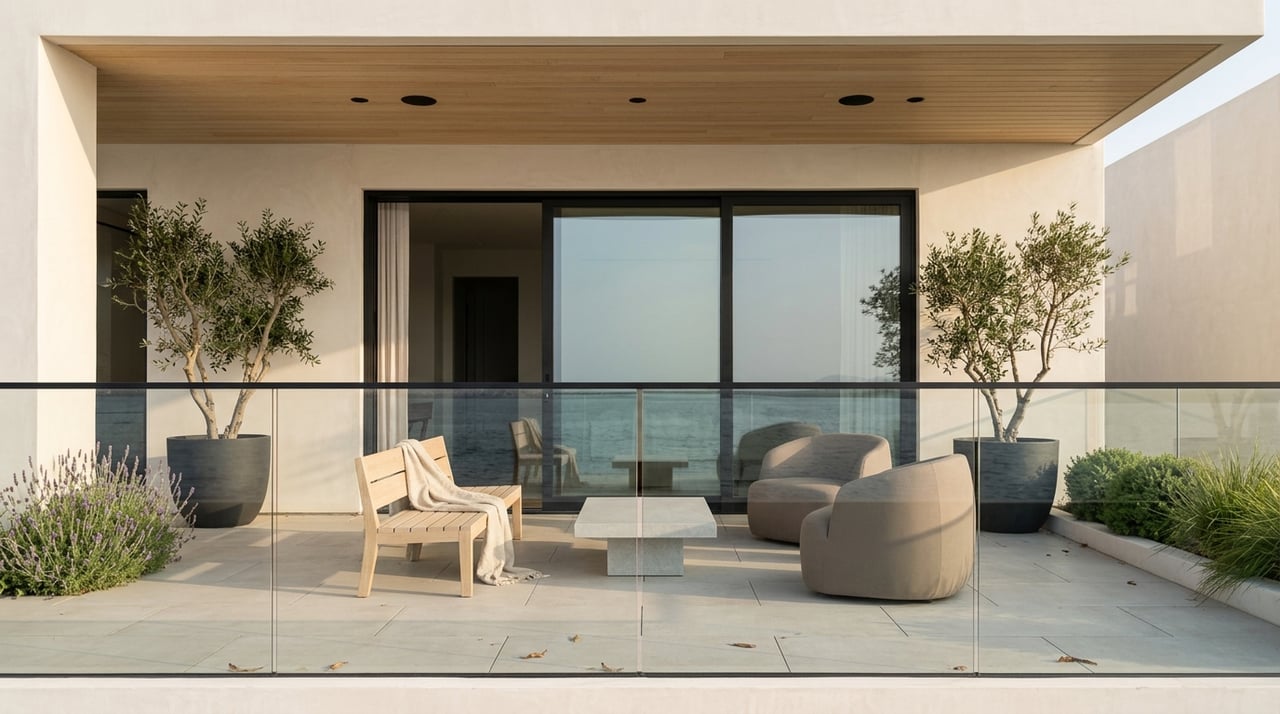
What does waterfront living in Alameda actually feel like once the novelty wears off? For many buyers, that is the real question. You are not just choosing a view. You are choosing a daily rhythm shaped by shoreline walks, ferry options, neighborhood retail corridors, and the realities of island access. This guide will help you understand how life on the bay works in Alameda so you can decide whether the lifestyle fits the way you want to live. Let’s dive in.
Why Alameda Feels Different
Alameda’s waterfront lifestyle starts with geography. The city sits on an island setting about seven miles east of San Francisco and less than a mile west of Oakland, with connections to the East Bay mainland through four bridges, two underwater tubes, and three ferry terminals.
That matters because the water is not just scenery here. In Alameda, the shoreline shapes how you move through the day, where you go for recreation, and how you think about commuting. Waterfront living feels built into ordinary life rather than reserved for weekends.
Daily Outdoor Life on the Water
One of the clearest advantages of living near the bay in Alameda is how easy it is to spend time outside. Crown Memorial State Beach, Crab Cove, and segments of the Bay Trail give you access to long shoreline walks, open views, and a strong sense of connection to the water.
At Crown Memorial State Beach, the shoreline includes 2.5 miles of paved trail. That supports the kind of routine many buyers want near the water, whether that means morning walks, evening bike rides, or a quick reset outdoors before or after work.
Crab Cove adds another layer to that experience. The visitor center highlights San Francisco Bay marine life and Alameda history, which gives the area an educational and local character beyond beach access alone.
Waterfront recreation in Alameda also extends beyond the beach edge. Bayport Park on the West End and Bohol Circle Immigrant Park near the estuary show that shoreline living here includes multiple edges of the island, each with its own pace and feel.
The Bay Trail Is Useful, Not Perfect
If you picture one continuous waterfront promenade circling the entire island, Alameda works a little differently. The Bay Trail is not continuous around the whole island, so some segments of everyday walking or biking shift from shoreline paths to city streets.
That mix is part of real life here. You get strong access to water and open space, but you also move between scenic stretches and in-town connectors. For many residents, that balance feels practical and active rather than polished or resort-like.
Boating and Marina Access Are Part of the Culture
For buyers who want a stronger connection to the water, Alameda has a notable boating presence. Public facilities listed in the state boating database include Alameda Marina, Ballena Isle Marina, Fortman Marina, Grand Marina, Marina Village Yacht Harbor, and Mariner Square Marina & Dry Stack.
Even if you are not a boat owner, that marina network still shapes the atmosphere of many waterfront areas. It creates a visible working-waterfront character in certain parts of the island and adds to the sense that bay access here is functional, not just decorative.
Errands and Dining Near the Waterfront
A common misconception about waterfront living is that everything you need sits right along the shoreline. In Alameda, daily life works a bit differently. The city identifies Park Street and Webster Street as its two main entertainment districts, linked by Lincoln Avenue, while Alameda Landing, South Shore, Marina Village, and Harbor Bay Landing serve as major retail centers.
That means your closest waterfront block may deliver views, trail access, or marina proximity, while many everyday errands still happen a few blocks inland or in one of the city’s retail hubs. For some buyers, that is a positive trade. You gain a calmer edge-of-the-bay setting without giving up access to restaurants, shopping, and services.
The city has also supported outdoor dining and retail activity on Park and Webster Streets through its Commercial Streets program. Those areas tend to feel active and walkable, though not fully car-free, and parking management and meter time limits remain part of the experience.
What That Means for Your Routine
If you are considering a waterfront home, it helps to think about two kinds of convenience:
- Lifestyle convenience, like stepping out for a shoreline walk or heading to the ferry
- Errand convenience, like picking up groceries, meeting friends for dinner, or checking off weekend to-dos
In Alameda, the two do not always overlap on the same block. The best fit often depends on whether you value direct bay access more than being immediately adjacent to the city’s main commercial corridors.
Commuting From Alameda’s Waterfront Areas
Alameda stands out in the East Bay because water commuting is a real part of the transportation picture. The city notes that there are no BART stations on the island, but nearby Oakland stations are accessible along with AC Transit connections.
For many residents, ferry access is one of the strongest lifestyle benefits of living near the waterfront. San Francisco Bay Ferry provides daily Oakland and Alameda service between Downtown San Francisco, Oakland Jack London Square, and Main Street Alameda.
There is also the Alameda Short Hop, which runs on weekdays between Main Street Alameda and Oakland Jack London Square with an approximate 10-minute crossing time. That is a meaningful option if your routine regularly connects you to Oakland.
Another recent addition is the Oakland Alameda Water Shuttle. The city says this free, wheelchair-accessible shuttle runs between Alameda Landing and Jack London Square, carries up to 31 passengers and 14 bicycles, operates six days per week for 12 to 14 hours a day, and is funded through June 2028.
For Bay Farm and Harbor Bay residents, the free Harbor Bay Business Park Shuttle to Coliseum BART adds another commute choice. Altogether, Alameda offers a broader range of island transportation options than many buyers expect, though bridge and tube travel are still part of the daily equation for plenty of residents.
Waterfront Commute Expectations
Living on the water in Alameda can improve your access to ferries or shoreline routes, but it does not eliminate logistics. Depending on where you live and work, your routine may include:
- Ferry service to San Francisco or Oakland
- Shuttle connections to Jack London Square or Coliseum BART
- AC Transit links to nearby regional transit
- Driving through bridges or tubes to reach other parts of the East Bay or beyond
That mix is one reason Alameda feels practical. It offers more options than a typical island setting, but it still requires planning around location and timing.
The Trade-Offs of Waterfront Living
The appeal of waterfront homes is easy to understand. You may get open views, quick shoreline access, marina proximity, and a stronger sense of space and calm.
The trade-offs tend to be less about beauty and more about function. In Alameda, some of the most scenic shoreline locations are a bit removed from the city’s main dining and shopping districts. If your priority is walk-out-the-door bay access, that can be a smart exchange. If you want to be close to the busiest retail corridors, an inland location may feel easier day to day.
This is where Alameda becomes especially interesting for buyers. The choice is not simply waterfront versus non-waterfront. It is often a question of which version of convenience matters more to you.
Climate Adaptation Is Part of the Story
A realistic look at waterfront life in Alameda should also include climate planning. The City of Alameda’s Estuary Adaptation Project is intended to address coastal, stormwater, and groundwater flooding for up to two feet of sea level rise in areas that include parts of the northern shoreline near Marina Village and the Posey and Webster Tubes.
The city’s Shoreline Adaptation Plan also notes the 2019 Water Quality and Flood Protection Fee, which supports storm-drain maintenance, water quality, aging infrastructure, and sea-level-rise preparation. For buyers, this does not mean waterfront living is off the table. It means resilience planning is part of responsible ownership and citywide infrastructure management.
In practical terms, Alameda’s waterfront lifestyle comes with both enjoyment and awareness. You enjoy the shoreline, but you also live in a place actively planning for long-term water-related conditions.
Who Alameda Waterfront Living Fits Best
Waterfront living in Alameda tends to appeal most to buyers who want an active, visually open environment and do not need every daily errand outside their front door. It can be especially attractive if you value ferry access, marina settings, beach walks, or a stronger connection to the bay as part of your weekly routine.
It may be a less natural fit if your top priority is being as close as possible to the city’s main dining and shopping corridors. In that case, locations a bit farther inland may offer a better balance.
The right choice depends on how you define convenience. For some buyers, convenience means being near Park Street or Webster Street. For others, it means watching the light change over the water, walking the shoreline before breakfast, and having a ferry terminal within reach.
Final Thoughts on Life by the Bay
Alameda waterfront living is best understood as active and practical. You are not buying into a resort setting. You are buying into an island city where shoreline recreation, water transit, marina culture, and climate adaptation all shape everyday life.
If that combination appeals to you, Alameda offers something rare in the East Bay. You can stay connected to Oakland, San Francisco, and regional transit while still enjoying a daily routine that feels closer to the water.
If you are considering a move in Alameda or anywhere in the East Bay, the right guidance can help you compare lifestyle, access, and long-term fit with more clarity. Connect with the Anthony Riggins Team for thoughtful, high-touch guidance tailored to your goals.
FAQs
What is daily life like in Alameda waterfront neighborhoods?
- Daily life in Alameda waterfront areas often includes shoreline walks, beach and trail access, marina proximity, and ferry-based commuting, with many errands and dining trips still centered around Park Street, Webster Street, and key retail hubs.
Is Alameda good for ferry commuting?
- Alameda offers strong ferry access for an East Bay city, including daily service between Main Street Alameda, Oakland Jack London Square, and Downtown San Francisco, plus a weekday Short Hop between Alameda and Oakland.
Are errands easy from Alameda waterfront homes?
- Errands can be convenient, but many of Alameda’s main shopping and dining areas are concentrated in retail and entertainment corridors rather than directly along the shoreline.
Does Alameda have a continuous waterfront trail?
- No. Alameda has notable shoreline trail segments, including Crown Memorial State Beach and Bay Trail connections, but the Bay Trail is not continuous around the entire island.
What parks support waterfront living in Alameda?
- Key waterfront and shoreline-oriented spaces include Crown Memorial State Beach, Crab Cove, Bayport Park, Bohol Circle Immigrant Park, and Bay Trail segments that connect parts of the island.
What should buyers know about climate planning in Alameda waterfront areas?
- Buyers should know that Alameda is actively planning for coastal, stormwater, and groundwater flooding through projects such as the Estuary Adaptation Project and broader shoreline resilience efforts.