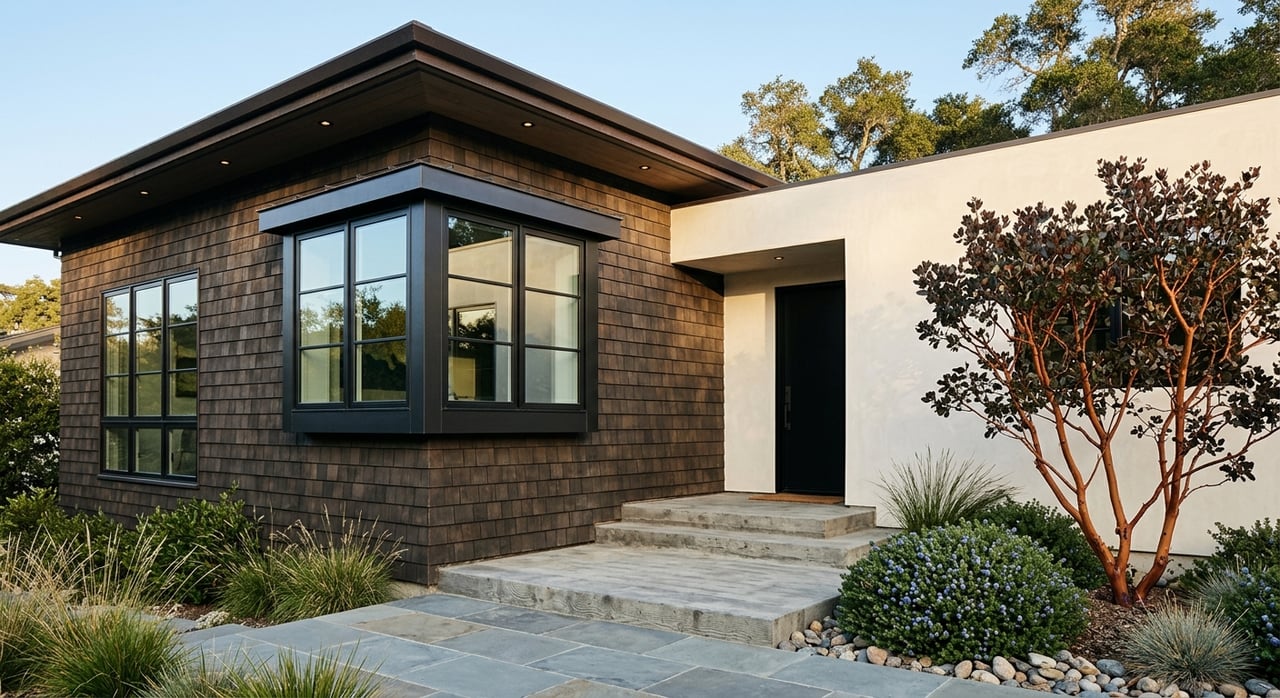
If you love houses that tell a story, Berkeley gives you plenty to look at. From brown-shingle hillside homes to richly detailed Craftsman residences and striking midcentury modern designs, the city offers a rare mix of architecture that still feels tied to its landscape. If you are trying to decide where to focus your home search, or you simply want to understand why certain Berkeley neighborhoods command so much attention, this guide will help you read the city through its homes. Let’s dive in.
Why Berkeley Stands Out Architecturally
Berkeley’s residential identity was shaped by a few powerful ideas. Local Arts & Crafts design, the Brown Shingle tradition, hillside planning principles promoted by the Hillside Club, and later waves of modernism all left a visible mark on the city.
What makes Berkeley especially compelling is how often architecture and setting work together. In many parts of the city, homes were designed to respond to slope, trees, views, and light rather than simply impose a style on the land.
The result is a city where neighborhood character feels distinct from block to block. In some areas, you will see unpainted redwood shingles, steep roofs, and exposed rafters. In others, you will find cross-gables, clinker brick, stucco-and-tile rebuilding after the 1923 fire, or post-and-beam modern homes with dramatic rooflines.
Elmwood for Craftsman Detail
Elmwood is one of Berkeley’s clearest destinations for buyers and admirers who love Craftsman and Arts & Crafts architecture. The neighborhood is known for level streets and gracious homes, which gives you a chance to appreciate architectural details up close.
A local landmark example is the 1904 Hicks House, noted for cross-gables, flaring eaves, shingled upper stories, and clinker-brick details. Those features help define the kind of visual language architecture lovers often seek in Elmwood.
Elmwood is not limited to one look. Local preservation material also notes wooden Craftsman houses, tile-roofed Mediterranean-inspired homes, a half-timbered house, and other architect-designed residences, which gives the neighborhood a layered and collected feel.
What Elmwood Feels Like
For many buyers, Elmwood offers a classic Berkeley experience with a polished residential rhythm. The streetscape tends to feel approachable and established, with period homes that reward slow looking.
If you are drawn to houses with visible craftsmanship, natural materials, and early 20th-century character, Elmwood often rises to the top of the list. It can appeal to buyers who want architectural interest without moving fully into steeper hillside terrain.
What to Know About Elmwood Value
Elmwood does not have one clean neighborhood-wide median in the market snapshots reviewed, but recent examples still point to strong upper-tier demand. A 1922 single-family home at 2741 Elmwood Ave sold in February 2026 for $1.875 million, and nearby four-bedroom Elmwood Avenue estimates ranged from about $2.0 million to $3.3 million.
That pricing supports what many buyers already sense on the ground. In Berkeley, preserved character and quality renovation often matter as much as raw size, and Elmwood is a strong example of that pattern.
Claremont for Estate-Style Presence
Claremont offers a different architectural mood. Compared with Elmwood, it feels more wooded, more landscape-driven, and often more formal in its residential presentation.
Local preservation tours describe Claremont Park as a trend-setting residential park shaped by Walter Ratcliff. The neighborhood grew from former orchard land and developed into an area with larger homes, grand residences, and stylistic variety that can include English manor-style remodels.
For architecture lovers, Claremont is compelling because the houses often feel inseparable from their lots. Scale, setting, and approach matter here, and the architecture can read as more estate-like than in other Berkeley neighborhoods.
What Claremont Offers Buyers
If you are drawn to homes that make a strong first impression, Claremont may be the neighborhood that holds your attention longest. The architecture often feels composed around gardens, wooded surroundings, and a sense of retreat.
This is also a neighborhood where size and site can influence value in a big way. Larger homes and more formal settings create a different buying experience than you may find in flatter, more tightly grained Berkeley districts.
What Claremont Pricing Suggests
In March 2026, Claremont’s median sale price was $3.4 million. Homes averaged about 6% above list price and sold in about 20 days.
Those numbers point to a high-value market, but also one with its own cadence. Compared with faster-moving submarkets, Claremont’s pricing appears to reflect its estate character, architectural pedigree, and larger landscape-oriented parcels.
North Berkeley for Brown Shingle Character
If you want to see Berkeley’s First Bay Region identity at its clearest, North Berkeley deserves serious attention. This is where the city’s Brown Shingle tradition and building-with-nature philosophy are especially visible.
Local preservation sources describe the area above Codornices Park as a scenic wooded enclave of artistic homes. Daley’s Scenic Park is also identified as the first residential subdivision north of campus and the first major expression of the First Bay Region Tradition.
In practical terms, that means architecture here often feels native to the terrain. You will see shingled homes, steep roofs, and hillside siting that reinforce Berkeley’s long-standing preference for houses that sit with the land rather than against it.
Why North Berkeley Resonates
North Berkeley often appeals to buyers who love authenticity and atmosphere. Brown-shingle homes can feel quiet, textural, and deeply rooted in place, especially when mature landscaping and hillside contours are part of the composition.
For architecture-minded buyers, this neighborhood can offer some of Berkeley’s most recognizable design DNA. It is less about flashy statement homes and more about harmony, materials, and setting.
What the Market Looks Like in North Berkeley
In March 2026, North Berkeley’s median sale price was $1,375,000. Homes averaged about 24% above list price and sold in 14 days.
That level of competition suggests strong demand for the neighborhood’s blend of character and location. It also reinforces a broader Berkeley pattern, where design pedigree and preserved architectural identity can drive buyer urgency.
Berkeley Hills for Modernism
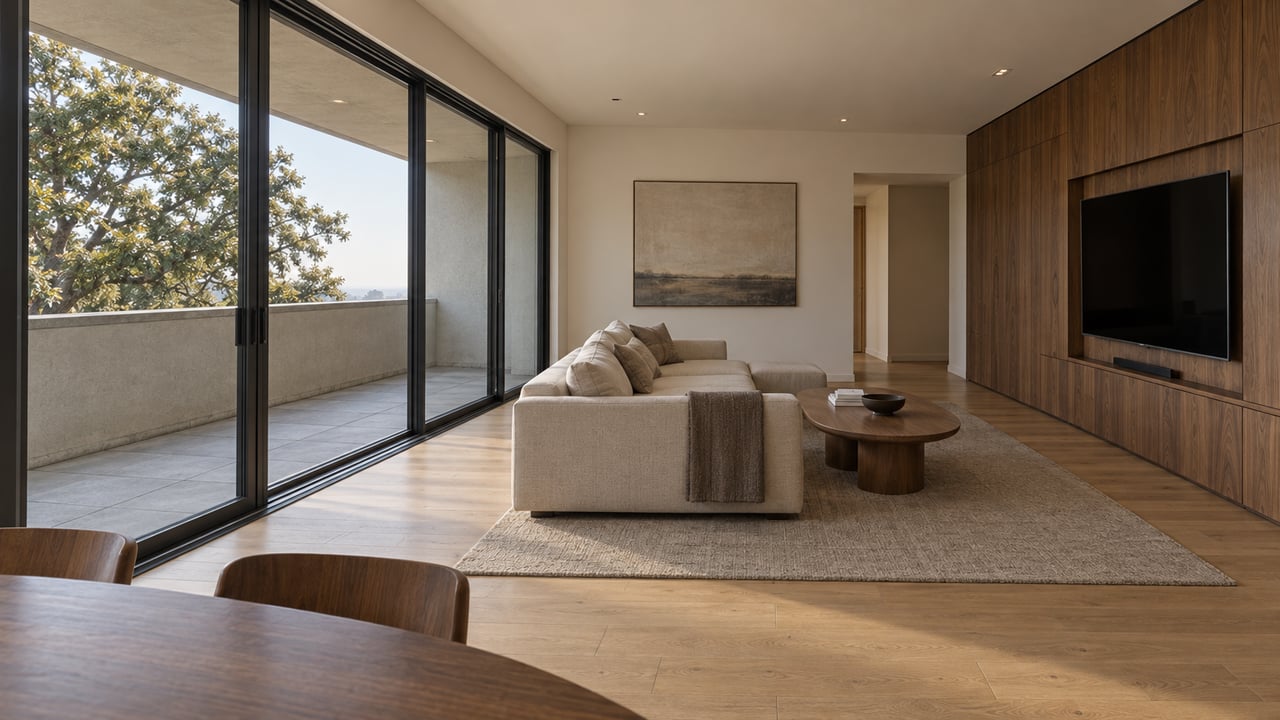
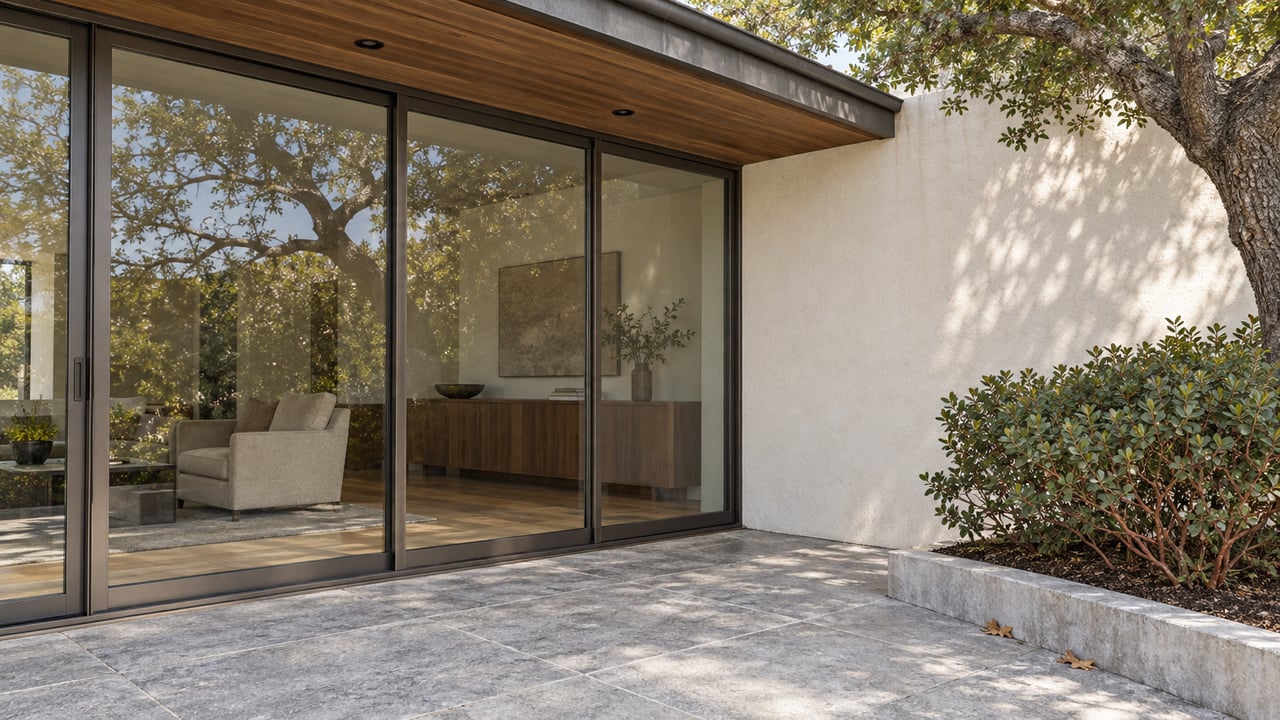
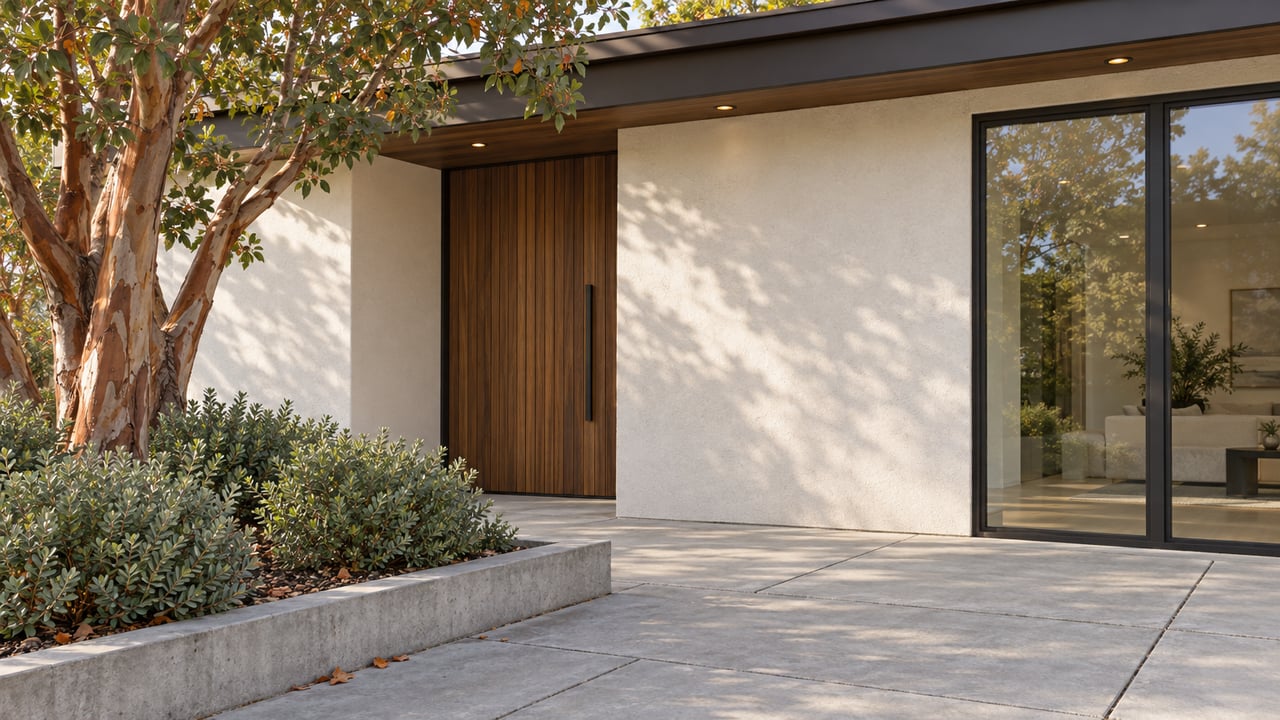
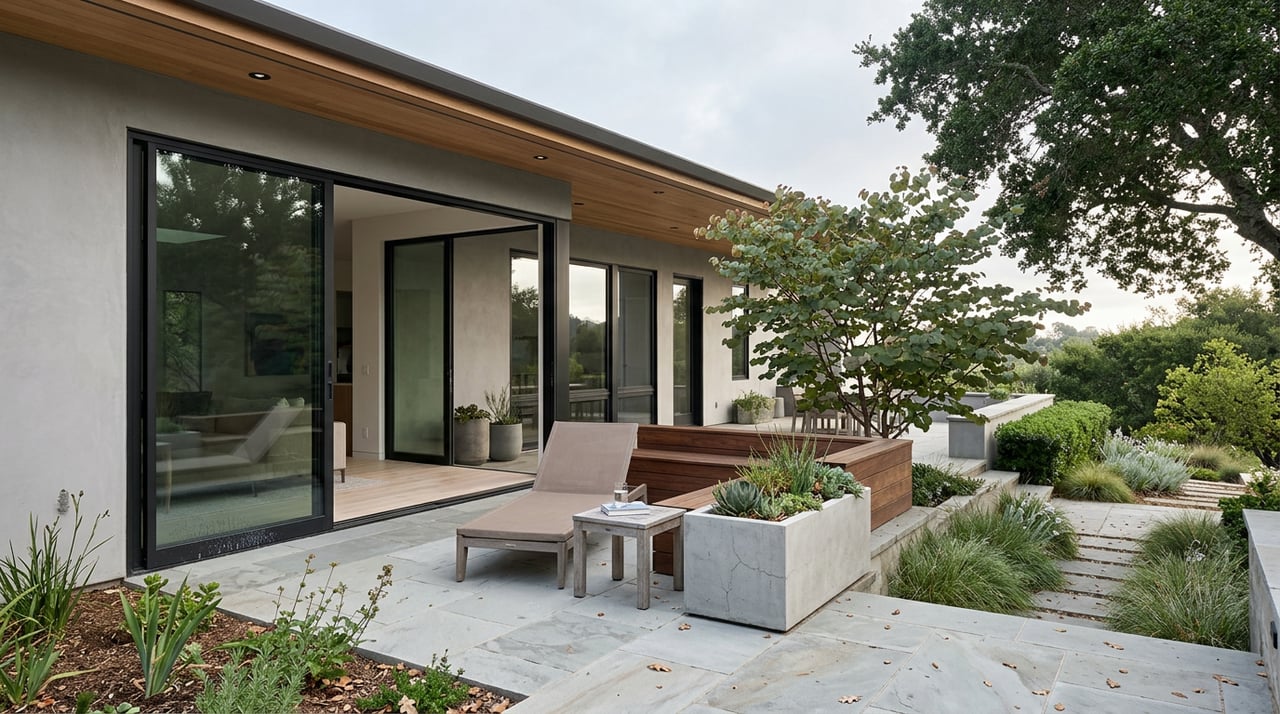
The Berkeley Hills shift the story toward modernism. If your taste runs toward post-and-beam construction, open plans, and memorable roof forms, this area may feel especially compelling.
A local modernism tour highlighted work by architects including Wurster, Roger Lee, John Hans Ostwald, John Funk, and Charles Warren Callister. Featured homes included post-and-beam designs, a butterfly roof, and landscape work by Lawrence Halprin.
This gives the hills a distinct role in Berkeley’s architectural story. Rather than early Arts & Crafts expression, you see the city’s later modern legacy become easier to trace from property to property.
What Makes the Hills Different
The Berkeley Hills often attract buyers who value views, custom design, and a stronger connection between architecture and topography. Homes here can feel more individual because hillside sites naturally create varied forms, orientations, and outdoor relationships.
That individuality can be part of the appeal. For design-minded buyers, the hills often offer the clearest path to modern houses with strong authorship and memorable spatial character.
Berkeley Hills Pricing Snapshot
In March 2026, Berkeley Hills had a median sale price of $1,499,500. Homes averaged about 29% above list price and sold in 14 days.
That combination of speed and over-ask performance points to intense demand. It also fits the broader idea that views, site orientation, and architectural distinction can carry significant weight in Berkeley pricing.
How to Compare These Four Neighborhoods
Each of these neighborhoods speaks to a different kind of architecture lover. Your best fit depends on whether you care most about craftsmanship, formality, historical character, or modern design.
| Neighborhood | Best Known For | Architectural Feel | March 2026 Pricing Snapshot |
|---|---|---|---|
| Elmwood | Craftsman and Arts & Crafts homes | Detailed, gracious, period-rich | Recent examples show roughly $1.875M to $3.3M for select homes |
| Claremont | Estate-style homes in wooded settings | Formal, larger-scale, landscape-driven | Median sale price $3.4M |
| North Berkeley | Brown Shingle and First Bay Region identity | Textural, hillside-friendly, artistic | Median sale price $1,375,000 |
| Berkeley Hills | Midcentury modern and custom modernist homes | View-oriented, expressive, site-specific | Median sale price $1,499,500 |
If you are buying, that comparison can help you narrow your search faster. If you are selling, it highlights why neighborhood-specific marketing matters so much in Berkeley, especially when architectural character is one of the property’s strongest assets.
Renovation and Preservation Matter Here
In Berkeley, architectural appeal often comes with rules and review processes. The city requires permits for construction, demolition, and modifications to existing structures, and projects involving landmarks go to the Landmarks Preservation Commission rather than standard design review.
For landmark properties, exterior alterations require prior approval. The city also notes that CEQA review may be required if a project threatens a landmark, and code alternatives may be available under the State Historical Building Code.
That matters whether you are buying a home to restore or preparing one for sale. Renovation potential is not uniform across Berkeley, and it often depends on the property’s location, designation status, and site conditions.
Zoning Changes to Keep in Mind
Berkeley’s Middle Housing Zoning changes took effect on November 1, 2025. The rules allow duplexes, triplexes, fourplexes, courtyard apartments, and other small-scale multi-family forms in parts of low-density residential Berkeley, including areas adjacent to the Elmwood District.
The city also states that these rules do not apply to high fire hazard areas in the Berkeley Hills. So if flexibility is part of your long-term plan, it is important to understand how the rules differ between flatter neighborhoods and hillside properties.
Historic Incentives Are Not Guaranteed
Berkeley’s Mills Act page explains a tax-savings program for designated historic properties, but new Mills Act authorization was paused effective November 19, 2025. Pending applications were deferred or denied unless the City Council reauthorizes the program later.
That means you should not assume a historic home will come with current tax benefits. For many buyers, the real value lies more in the architecture itself, the location, and the quality of stewardship over time.
Why Berkeley Architecture Holds Value
Across these neighborhoods, pricing suggests that Berkeley buyers are often paying for more than square footage. Preserved character, architectural pedigree, larger or view-oriented lots, and the quality of prior renovation all appear to influence value.
That is one reason Berkeley can reward a more thoughtful home search. A house with the right siting, original details, and carefully handled updates may stand apart in ways that are hard to capture in basic listing metrics alone.
For sellers, that same reality creates an opportunity. When a home’s architecture is a genuine differentiator, strategic preparation and strong storytelling can help buyers understand why it deserves attention.
If you are considering a move in Berkeley, it helps to work with a team that can read both the market and the architecture. For guidance on buying or selling a design-driven home in the East Bay, connect with the Anthony Riggins Team.
FAQs
Which Berkeley neighborhood is best for Craftsman architecture?
- Elmwood is the strongest fit in this group for Craftsman and Arts & Crafts homes, with local examples featuring cross-gables, flaring eaves, shingled upper stories, and clinker-brick details.
Which Berkeley neighborhood shows the Brown Shingle style most clearly?
- North Berkeley is especially associated with Berkeley’s Brown Shingle and First Bay Region architectural identity, particularly in hillside areas shaped by a building-with-nature approach.
Which Berkeley neighborhood is known for midcentury modern homes?
- The Berkeley Hills are the clearest destination for midcentury modern and custom modernist homes, including post-and-beam designs and distinctive roof forms such as butterfly roofs.
What is the price difference between Claremont and other Berkeley neighborhoods?
- In March 2026, Claremont had a median sale price of $3.4 million, compared with $1,375,000 in North Berkeley and $1,499,500 in Berkeley Hills, reflecting its more estate-like character and larger settings.
Do Berkeley historic homes have renovation restrictions?
- Yes. Berkeley requires permits for construction, demolition, and modifications to existing structures, and landmark properties may require review and prior approval for exterior alterations.
Do Berkeley zoning rules affect architecture-focused buyers?
- Yes. Berkeley’s Middle Housing Zoning rules allow certain small-scale multi-family forms in parts of low-density residential areas, including places near Elmwood, but those rules do not apply in high fire hazard areas in the Berkeley Hills.