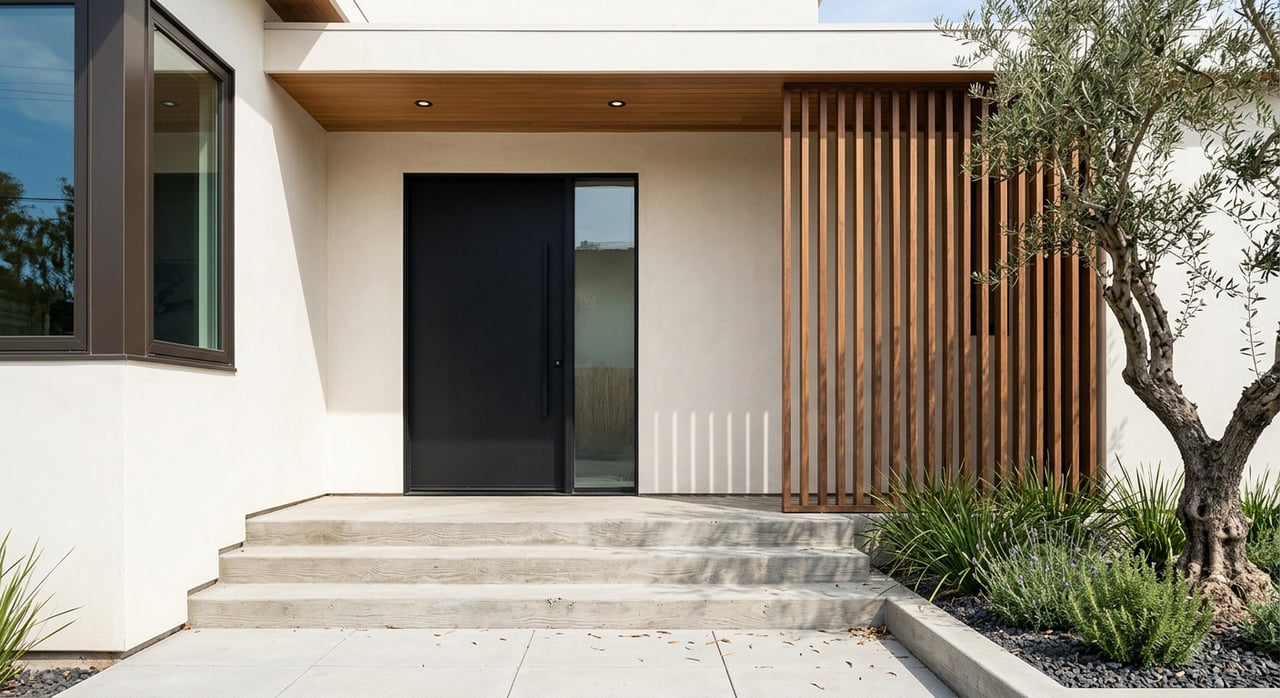
If you want a premium result in Alameda, listing your home is only part of the job. In a market where buyers move quickly, they also notice condition, presentation, and pricing right away. The good news is that with the right preparation, you can position your home to stand out for the right reasons. Let’s dive in.
Why Alameda presentation matters
Alameda has a large share of older homes with distinctive architectural character. According to the City of Alameda’s historic preservation overview, the city has more than 10,000 buildings constructed before 1930, and local guidance highlights Craftsman and ranch-style homes as an important part of the housing mix.
That matters when you prepare to sell. In Alameda, buyers often respond to preserved details, overall condition, and how well a home’s character has been maintained, not just square footage or bedroom count. A premium sale usually comes from showing buyers a home that feels both cared for and true to its style.
Start with market reality
The current market still gives sellers an advantage, but it rewards discipline. Redfin’s Alameda housing market data reported a median sale price of $1.155 million in February 2026, a median of 15 days on market, a 108.7% sale-to-list ratio, and 73.5% of homes selling above list price.
Those numbers are encouraging, but they do not mean every listing gets a premium result automatically. In a fast-moving market, a polished home can attract strong interest quickly, while weak presentation or overpricing can slow momentum just as fast.
Inspect before you launch
One of the smartest ways to position your Alameda home is to do your due diligence before it goes live. In California, many 1 to 4 unit residential sales require a Real Estate Transfer Disclosure Statement and related seller disclosures, and the seller’s agent is required to complete a reasonably competent and diligent visual inspection for material facts that affect value, desirability, or intended use.
For many Alameda properties, especially older homes, early inspections can help you uncover issues before buyers do. This gives you more control over repairs, pricing, and disclosure preparation, and it can reduce surprises once offers start coming in.
What to review before listing
A practical pre-list review often includes:
- General property condition
- Roof or drainage concerns
- Plumbing or electrical issues
- Foundation or seismic-related items
- Sewer lateral condition
- Natural hazard disclosure needs
The state disclosure guide also notes that a Natural Hazard Disclosure Statement may be required for covered hazard zones, and some older homes may trigger the earthquake-safety booklet requirement, especially residential dwellings built before January 1, 1960. The California DRE disclosure guide highlights common concerns such as foundation anchor bolts, unbraced cripple walls, unreinforced masonry, habitable rooms above garages, and unsecured water heaters.
Alameda-specific checks matter
Local details can affect your prep plan. The City of Alameda’s sewer lateral information notes that some homes still have original sewer laterals, making this a worthwhile item to evaluate before listing.
If your property is historic, located in a historic district, or includes older exterior features, you should also confirm whether city approvals apply before starting work. Alameda’s preservation guidance notes that a Certificate of Approval may be required for certain historic monuments, contributing structures, or some pre-1942 demolition and alteration work.
Focus repairs where buyers notice risk
When sellers think about a premium sale, it is easy to jump to major remodeling. In most cases, that is not the best use of time or money. The stronger strategy is usually to remove buyer doubt.
In Alameda, that often means addressing visible deferred maintenance and functional issues while preserving the home’s original look. The city’s design review guidance places value on features such as proportions, rooflines, porch details, grouped windows, and simple era-appropriate materials in Craftsman and ranch homes.
Repairs that often support a premium sale
You may get better traction by prioritizing:
- Peeling paint or worn exterior finishes
- Loose trim or damaged woodwork
- Minor roof issues
- Tired flooring
- Dated lighting
- Obvious plumbing or electrical concerns
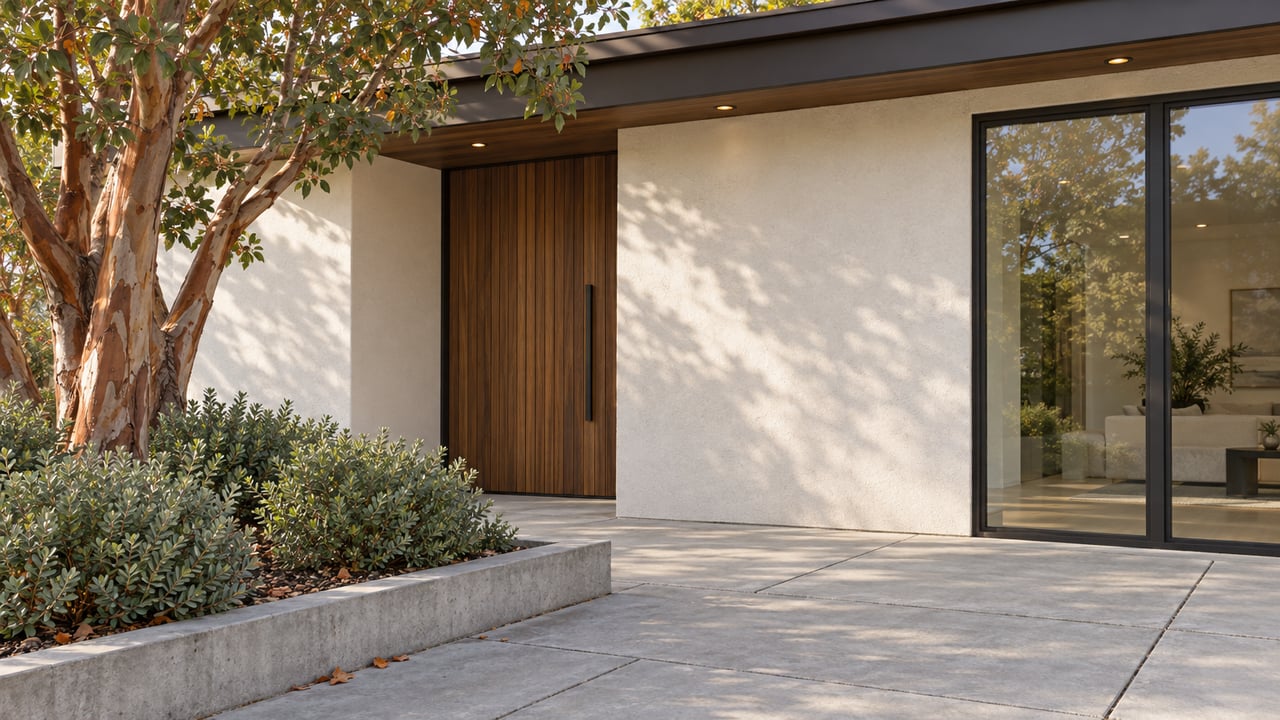
- Weak curb appeal at the entry or front yard
This approach helps buyers focus on the home’s strengths instead of wondering what else may be wrong. It also protects the architectural details that can make Alameda homes especially appealing.
Restore, do not reinvent
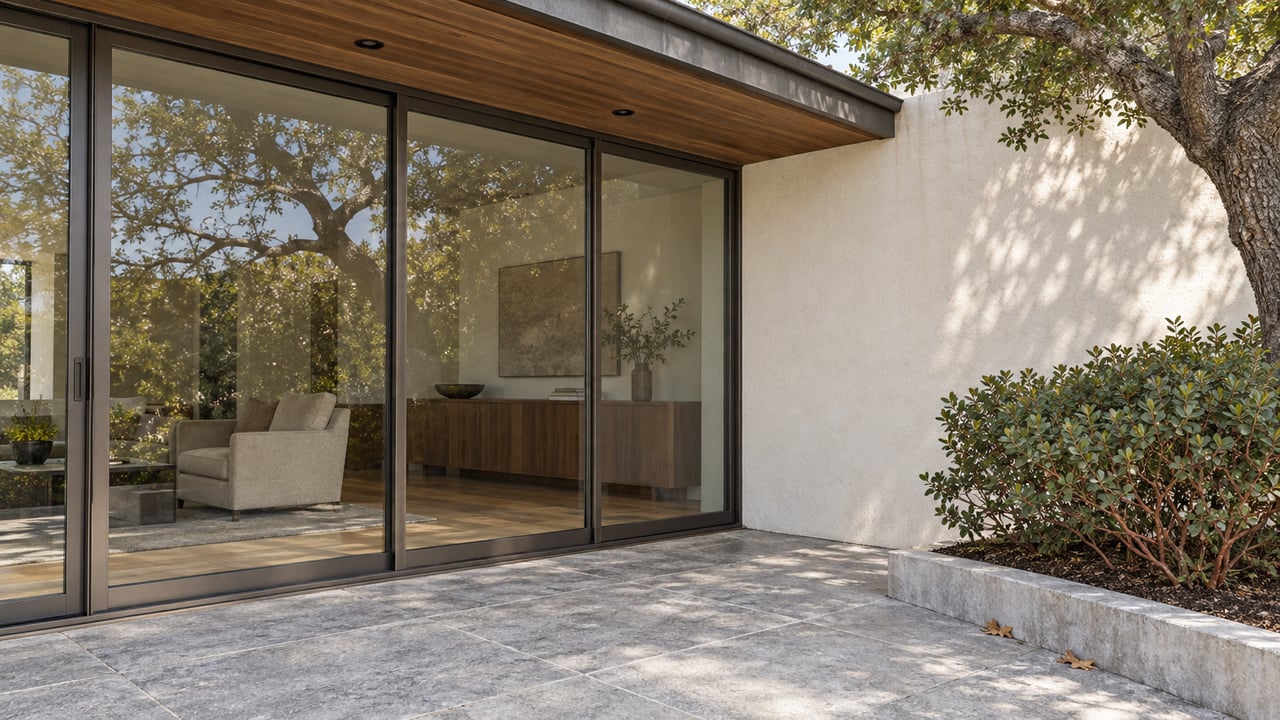
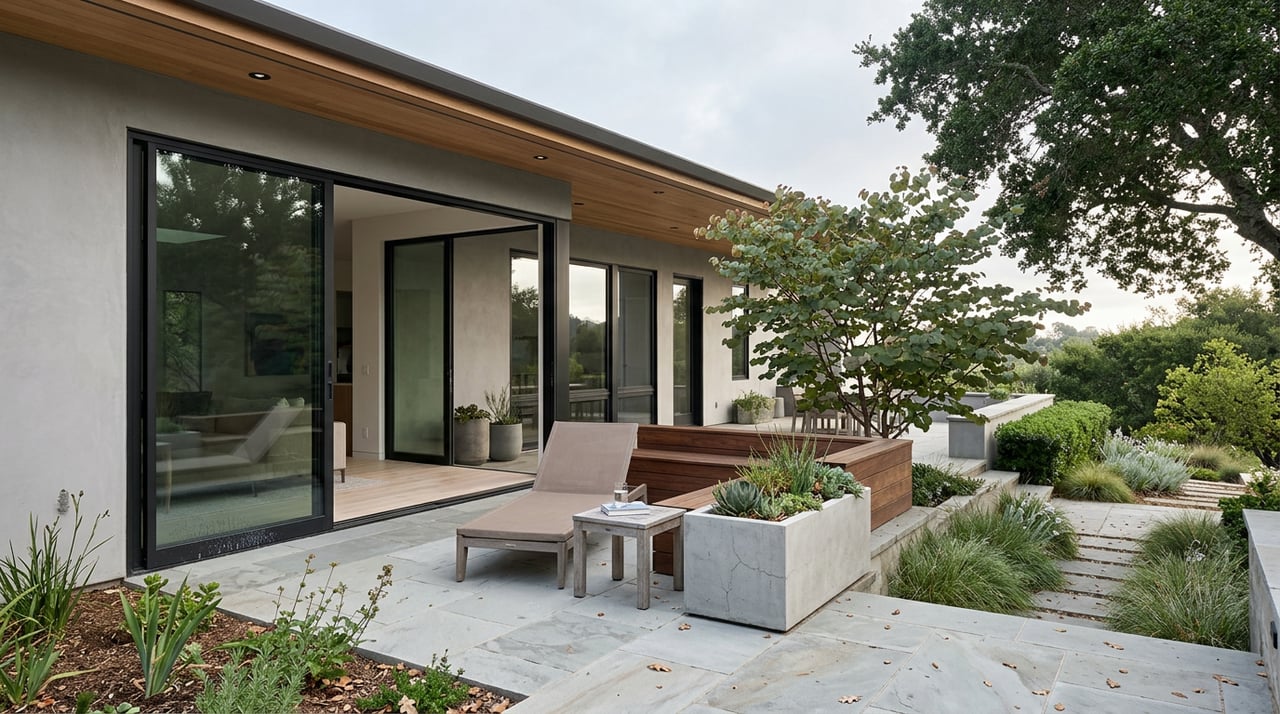
For many Alameda homes, restoring original character is more effective than introducing a style that does not fit the property. Craftsman homes often benefit from preserved woodwork, porch presence, grouped windows, and natural materials. Ranch homes tend to show best when their low horizontal lines, simple finishes, and clean proportions remain intact.
If your home has historic significance or falls under local preservation review, check requirements before doing exterior work. A rushed update that conflicts with the home’s style can weaken buyer response instead of strengthening it.
Stage to highlight the home’s bones
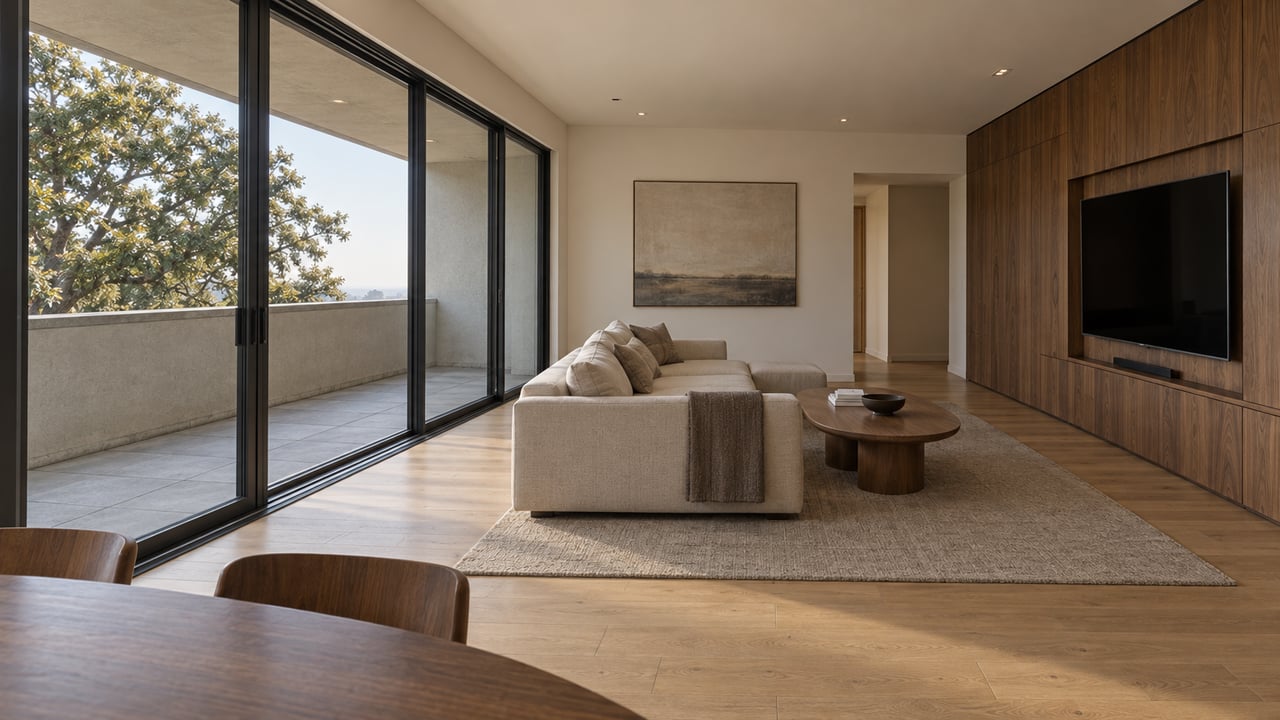
Staging can help buyers connect emotionally with your home, but it works best when it supports the architecture instead of overwhelming it. According to the National Association of Realtors’ 2025 staging report, 83% of buyers’ agents said staging made it easier for buyers to visualize a property as a future home, 29% of sellers’ agents said staging increased the dollar value offered by 1% to 10%, and 49% said staging reduced time on market.
That does not mean every home needs full-scale staging in every room. The same report found that many sellers benefit from decluttering and correcting property faults, while the most important rooms to stage are the living room, primary bedroom, and kitchen.
What buyers respond to most
NAR’s guidance points to several simple but effective presentation choices:
- Natural light
- Neutral wall colors
- Open, easy-to-navigate rooms
- Streamlined décor
- Improved storage or shelving
- Removal of old carpeting where practical
In Alameda, these updates can be especially effective when they let original woodwork, window groupings, or classic proportions take center stage. The goal is to help buyers see the quality of the home itself.
Price with precision
A premium sale is not the same thing as an ambitious list price. In fact, the two often work against each other. Even in a competitive market, buyers can lose interest when a home feels overpriced.
Redfin’s market coverage notes that overpricing by even a relatively small amount can cause a home to sit and scare buyers off. In Alameda, where many homes still sell above asking, the better strategy is usually to price with precision, launch in strong condition, and let demand do its work.
Why disciplined pricing wins
A well-priced home can:
- Attract more serious early interest
- Encourage stronger competition
- Support a faster sales timeline
- Keep momentum high through the first week on market
That first wave of attention matters. When your pricing, prep, and presentation all line up, buyers are more likely to view the home as a compelling opportunity instead of a listing they should wait out.
Time your launch carefully
If you have flexibility, timing can give you another advantage. Redfin reports that homes are most likely to sell above asking from late spring to early summer, while winter is typically the weakest period. Realtor.com’s 2026 best time to sell report also points to early spring as a strong seasonal window, with the national best week identified as April 12 through 18.
For Alameda sellers, a practical strategy is often to prepare during winter and launch in early spring. That schedule gives you time to inspect, complete repairs, finalize disclosures, stage, photograph, and bring the home to market when seasonal demand improves.
A premium sale comes from the full plan
In Alameda, premium outcomes usually come from a sequence, not a shortcut. Inspect first, make targeted improvements, preserve the home’s character, stage the spaces that matter most, price carefully, and launch with timing in mind.
That kind of preparation can help you reduce friction, strengthen buyer confidence, and create the conditions for stronger offers. If you are thinking about selling and want a tailored plan for your property, the Anthony Riggins Team can help you prepare, position, and market your home with a high-touch, full-service approach.
FAQs
Should I do inspections before listing my Alameda home?
- Yes. Pre-list inspections can help you identify issues early, prepare disclosures more thoroughly, and reduce surprises once buyers begin their due diligence.
Is staging worth it for an Alameda home sale?
- Usually, yes. Staging can help buyers picture the home more clearly, and even modest preparation like decluttering and improving the main living spaces can make a difference.
Should I keep my Alameda home’s original character before selling?
- In many cases, yes. Alameda’s design guidance shows that original proportions, materials, and architectural details are part of what buyers value in many local homes.
When is the best time to list a home in Alameda for a premium sale?
- If your timeline is flexible, early spring is often the strongest launch window based on current seasonality research and local market patterns.
What repairs matter most when selling an older Alameda home?
- The most important repairs are usually the ones that reduce buyer concern, such as visible maintenance issues, functional problems, and exterior items that affect first impressions and confidence.