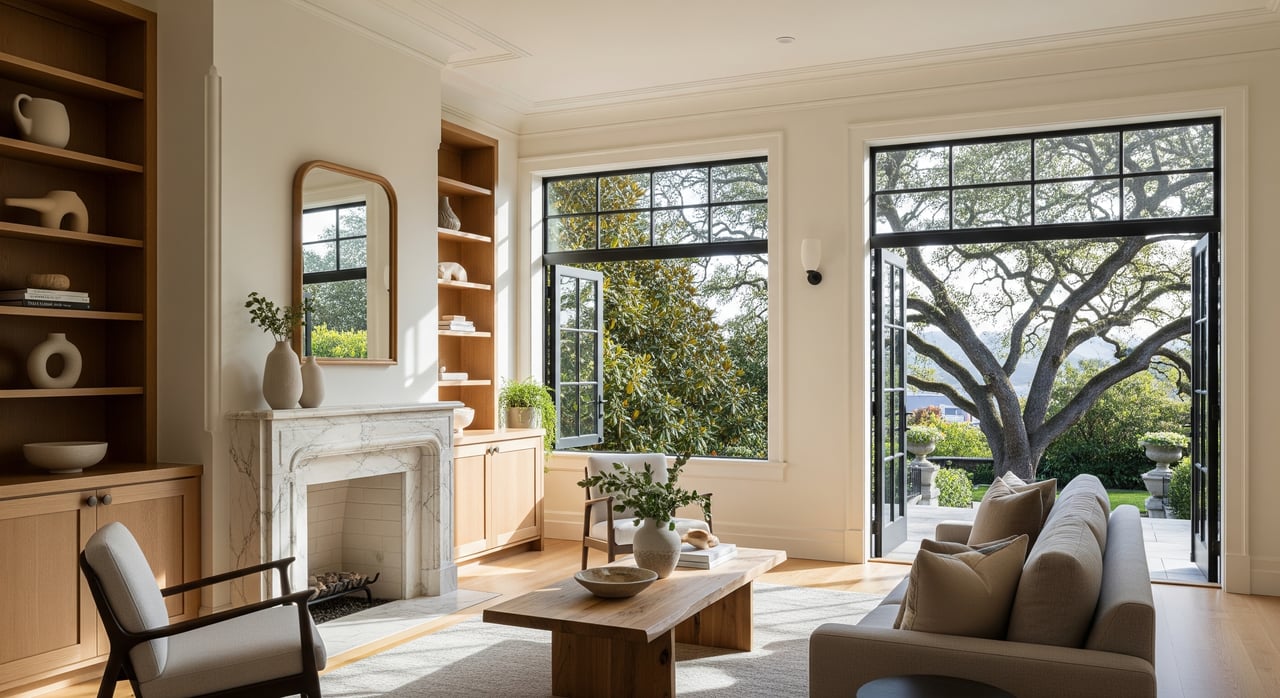
Are you planning to sell your Piedmont home and wondering what today’s luxury buyer really wants? You are not alone. In a market with low inventory and distinctive, historic homes, buyers expect turnkey function, reliable systems, and a clear, low-friction path to close. In this guide, you will learn how to align your home with those expectations, reduce escrow surprises, and position your sale for a premium outcome. Let’s dive in.
Understand today’s luxury buyer
Luxury buyers in Piedmont are often local professionals and executives who value architectural character, privacy, and convenient access to the greater Bay Area. Many are well qualified or cash-ready, and they expect fewer obstacles in escrow. They look for homes that feel move-in ready, with modern kitchens and baths, strong systems, and clear documentation of upgrades.
These buyers also focus on livability. They want indoor-outdoor flow, dedicated work areas, energy-conscious features, and dependable connectivity. The more you can present a home that blends character with modern convenience and documented care, the more confident these buyers feel about paying a premium.
Prioritize work before listing
Build a complete disclosure packet
A thorough disclosure package sets the tone. Include required California forms, any known material facts, and records that prove care, such as permits for prior work, warranties, and service histories. Add utility bills, landscape or irrigation plans if you have them, and any homeowner association documents when relevant. Strong documentation reduces back-and-forth, which keeps buyers engaged.
Order smart pre-listing inspections
Pre-listing inspections help you identify issues early and choose the best strategy: repair, credit, or price accordingly. Consider a general home inspection along with roof, termite, HVAC, and other targeted evaluations. If buyers feel that major concerns are known and addressed, they are more likely to write clean, competitive offers.
Resolve permits and unpermitted work
Unpermitted work can slow or derail a deal. Gather permits for past renovations and consult the local building department if anything is unclear. If retroactive permits are possible, explore timelines and feasibility. If not, disclose fully and decide whether pricing or credits make sense.
Upgrade systems buyers expect
Electrical capacity and EV readiness
Modern luxury buyers expect enough power for today’s needs. Many homes benefit from a 200-amp electrical service and properly grounded outlets. If you can, add an EV-capable circuit or a charging solution. Clear, permitted documentation gives buyers confidence that the infrastructure can support daily life and future tech.
Heating, cooling, and air quality
Central heating and air conditioning are increasingly standard at the top end of the Bay Area market. If you lack central cooling, explore a sensible solution, such as a ducted system or attractive mini-splits. Service existing equipment, replace filters, and provide records, so buyers see a well-maintained system.
Roof, drainage, and water management
Roof condition, gutters, and site drainage are critical. Clean and repair as needed, and be transparent about any past leaks and resolutions. Provide reports or receipts for work you complete, which helps reduce inspection-related credits.
Seismic and structural clarity
Older homes benefit from evidence of seismic awareness. Secure water heaters, document any foundation bolting or bracing, and address visible structural concerns before hitting the market. If previous structural work exists, organize reports and contractor notes so buyers can review them quickly.
Pest and sewer lateral checks
Termite inspections and clearances are common. If repairs are needed, complete them and include receipts. Many buyers also request a sewer lateral video or condition report. Knowing the status ahead of time helps you avoid delays and negotiate with confidence.
Blend character with modern living
Kitchens that match the home
A well-planned kitchen sells. Keep layouts functional with quality storage, durable counters, and reliable, high-end appliances. When your home has period details, choose cabinet profiles, hardware, and materials that respect the architecture. Buyers pay for authenticity paired with daily convenience.
Bathrooms buyers love
Update fixtures, tile, and lighting to feel fresh and calm. A primary suite that functions as a retreat, with quality surfaces and good ventilation, signals turnkey living. Consider thoughtful upgrades like heated floors or improved water pressure when they fit the home and budget.
Light, windows, and floors
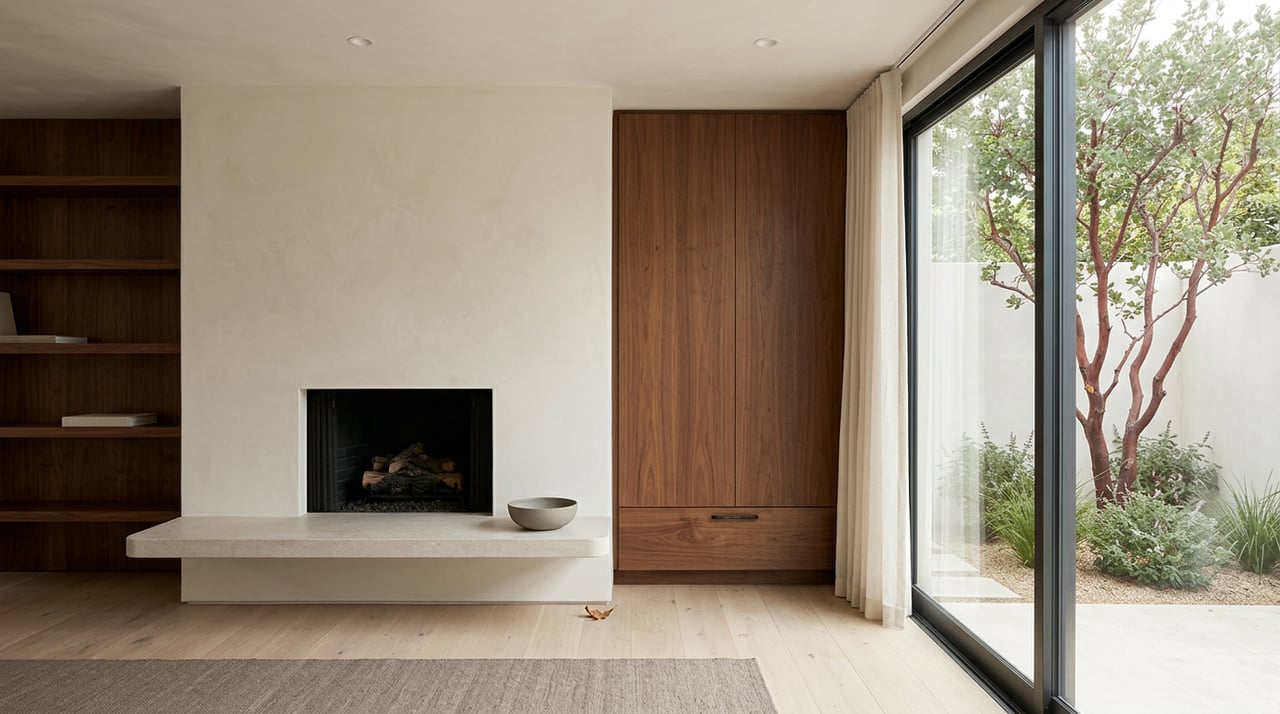
Natural light and views matter. Repair window operation where needed and use simple window treatments that let in light. Refinish hardwood floors when it will meaningfully improve the first impression, and repair worn thresholds to signal careful maintenance.
Paint and finishes that sell
Fresh, neutral paint brightens a home and frames original details. Choose a cohesive palette that highlights millwork, built-ins, and moldings. Keep hardware and lighting consistent in style and finish to make rooms feel intentional and complete.
Elevate curb appeal and outdoor life
Landscaping and privacy
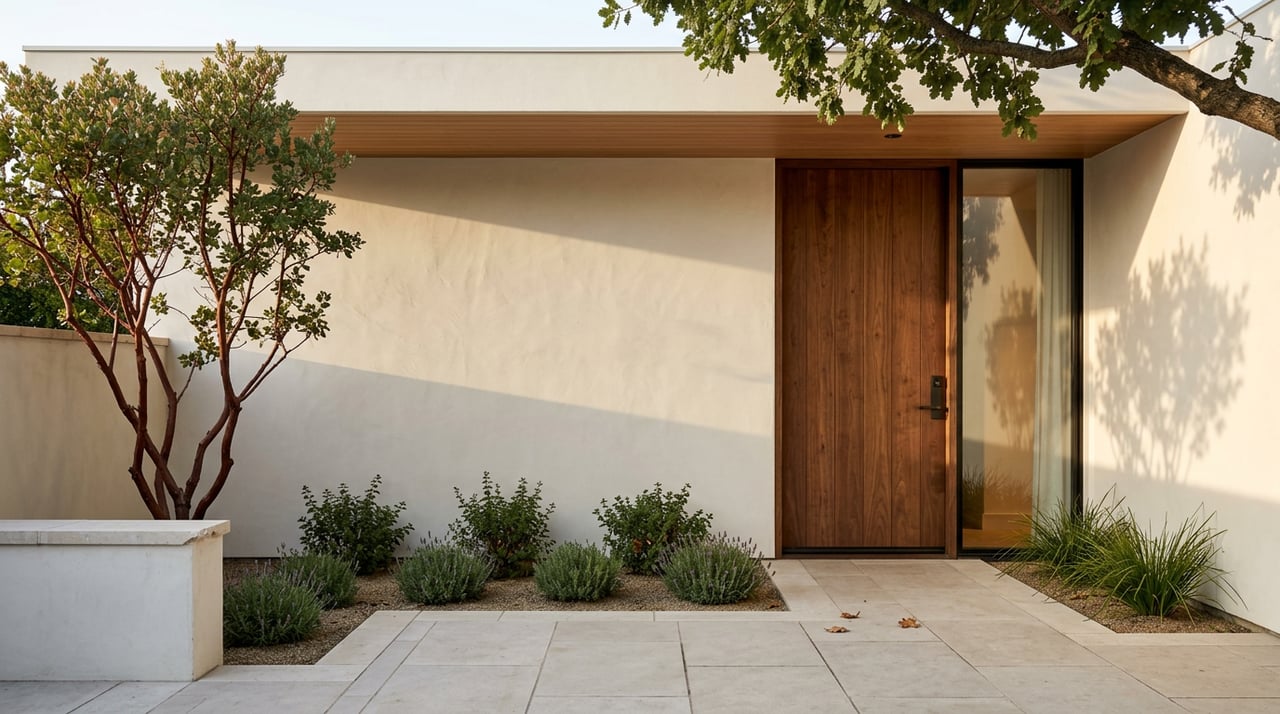
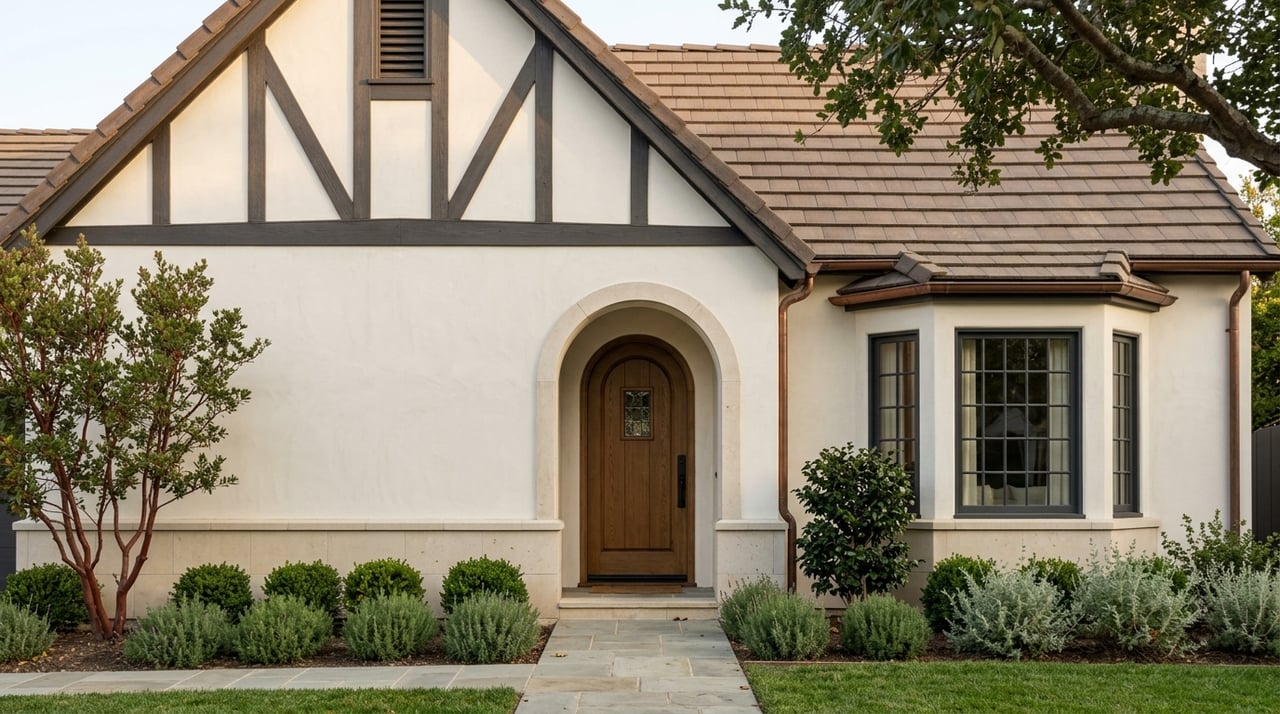
Piedmont’s mature landscapes are a real asset. Prune trees and shrubs to open sightlines, refresh mulch, and edge pathways for a crisp look. Thoughtful screening that preserves views can increase perceived privacy without making the yard feel closed off.
Stage outdoor rooms
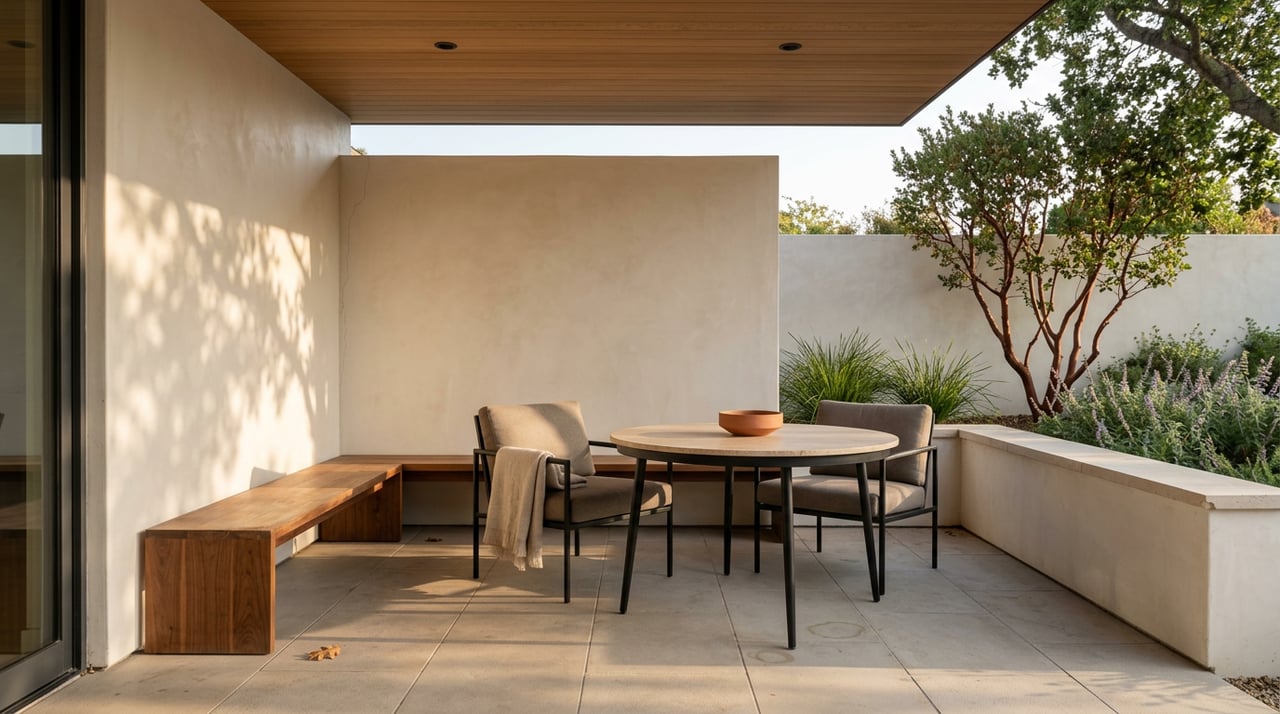
Define patios, decks, and terraces with durable, stylish furnishings. Add lighting, planters, and a focal point such as a fire feature where appropriate. When buyers can envision morning coffee, weeknight dinners, and weekend gatherings outside, your home stands out.
Staging and storytelling that convert
Stage to the architecture
Professional staging pays off in the luxury segment. Style choices should reinforce the home’s scale and character. For example, a Craftsman shines when built-ins, woodwork, and proportion are centered, while a Mediterranean may benefit from warm textures and restrained color.
Photography, video, and floor plans
Invest in professional photography and a quality 3D tour so buyers can explore on their own time. Twilight images help showcase outdoor living and views. Include a clear floor plan with room dimensions, which saves buyers and agents time and reduces confusion.
Lifestyle marketing
Help buyers imagine daily life. Showcase proximity to parks, commute options, and local amenities. Neighborhood and lifestyle images, along with a polished property narrative, support premium positioning for busy, high-net-worth buyers.
Pricing, launch, and negotiation
Price for the market you have
Piedmont’s limited sales volume means comps can be thin. Work with a local expert who understands lot size variation, architectural significance, and view premiums. Turnkey condition and documented upgrades often justify stronger pricing because they reduce perceived risk.
Choose the right launch strategy
Some listings benefit from a public launch with targeted broker outreach and strategic open houses. Others call for a quieter approach that protects privacy and access. The right strategy depends on current inventory, buyer demand, and your goals around timing and exposure.
Screen buyers and manage escrow
Request strong proof of funds or lender pre-approvals before accepting an offer. Pre-listing inspections and clean disclosures reduce contingency risk and shorten timelines. If you need extra time to move, negotiate a rent-back with clear terms and insurance responsibilities.
Appraisals and financing gaps
Unique homes can appraise below contract price when comparable sales are limited. Buyers with larger down payments or cash can absorb valuation gaps more easily. Preparing for this outcome, and documenting your upgrades and condition, helps you navigate lender requirements.
A 30-day prep checklist
- Days 1–7: Engage your listing team, gather permits and records, schedule general, roof, termite, and HVAC inspections. Decide on must-do repairs vs. credits.
- Days 8–14: Complete priority repairs, service systems, secure water heater bracing, and address easy curb-appeal wins. Choose paint colors and begin touch-ups.
- Days 15–21: Finalize staging plan, declutter, complete painting, refinish or repair flooring as needed, and order photography and floor plans.
- Days 22–30: Install staging, complete professional photos, 3D tour, and video. Prepare a polished disclosure packet and finalize your launch strategy.
Work with a Piedmont specialist
Selling a historic or character home in Piedmont requires a tailored plan, precise pricing, and meticulous presentation. A team with deep neighborhood knowledge, full-service marketing, and proven processes can help you reduce friction and achieve a premium sale. If you are ready to explore timing, budget, or scope for your sale, reach out to the Anthony Riggins Team for a confidential consultation.
FAQs
What do luxury buyers in Piedmont expect?
- They expect turnkey function, modern systems, quality kitchens and baths, strong documentation of upgrades, and well-presented indoor-outdoor living spaces.
Should I renovate my whole home before selling?
- Not always. Focus on systems, kitchens and baths that improve function, and visible repairs that reduce buyer risk. Full renovations depend on timing, budget, and projected return.
Are pre-listing inspections worth it for a luxury sale?
- Yes. They uncover issues early, reduce the chance of last-minute credits, and give buyers confidence to write strong, clean offers.
How do schools affect Piedmont home value?
- Many buyers consider public school quality and attendance boundaries when evaluating location. Keep language neutral and provide factual resources and documentation when requested.
What should I do about unpermitted work before listing?
- Disclose it and explore options to legalize or price accordingly. Clarifying status early prevents escrow delays and builds buyer trust.
How can I reduce appraisal risk on a unique home?
- Provide documentation of upgrades, inspections, and condition. Consider buyer profiles with strong down payments or cash to reduce the impact of limited comparable sales.